Menu
Tree Cutting Service for Big, Mature Trees in Framingham
Tree Cutting Service Framingham
Large, mature trees require special equipment, experience, and an extreme amount of planning in order to remove them safely and efficiently. Many areas within Framingham’s older neighborhoods have a number of large specimen trees (many of which are over 80 feet tall) that have been growing for many years. When it is time to remove one of these magnificent specimens, the challenge that will be encountered is much greater than removing a smaller tree would be. This is due to the fact that expert tree cutting services will need to use very sophisticated techniques that are quite different from those used to remove smaller trees. Expert tree cutting service companies provide both the state-of-the-art equipment and certified arborist knowledge needed to complete such projects. In addition to the equipment and knowledge required, all large, mature tree removal projects involve a detailed assessment of the job, the development of a plan to accomplish the removal safely and strategically, and then a precise and careful execution of the plan to avoid damaging adjacent properties and to dismantle the massive tree safely.
Specialized Machinery for Removing Large Trees
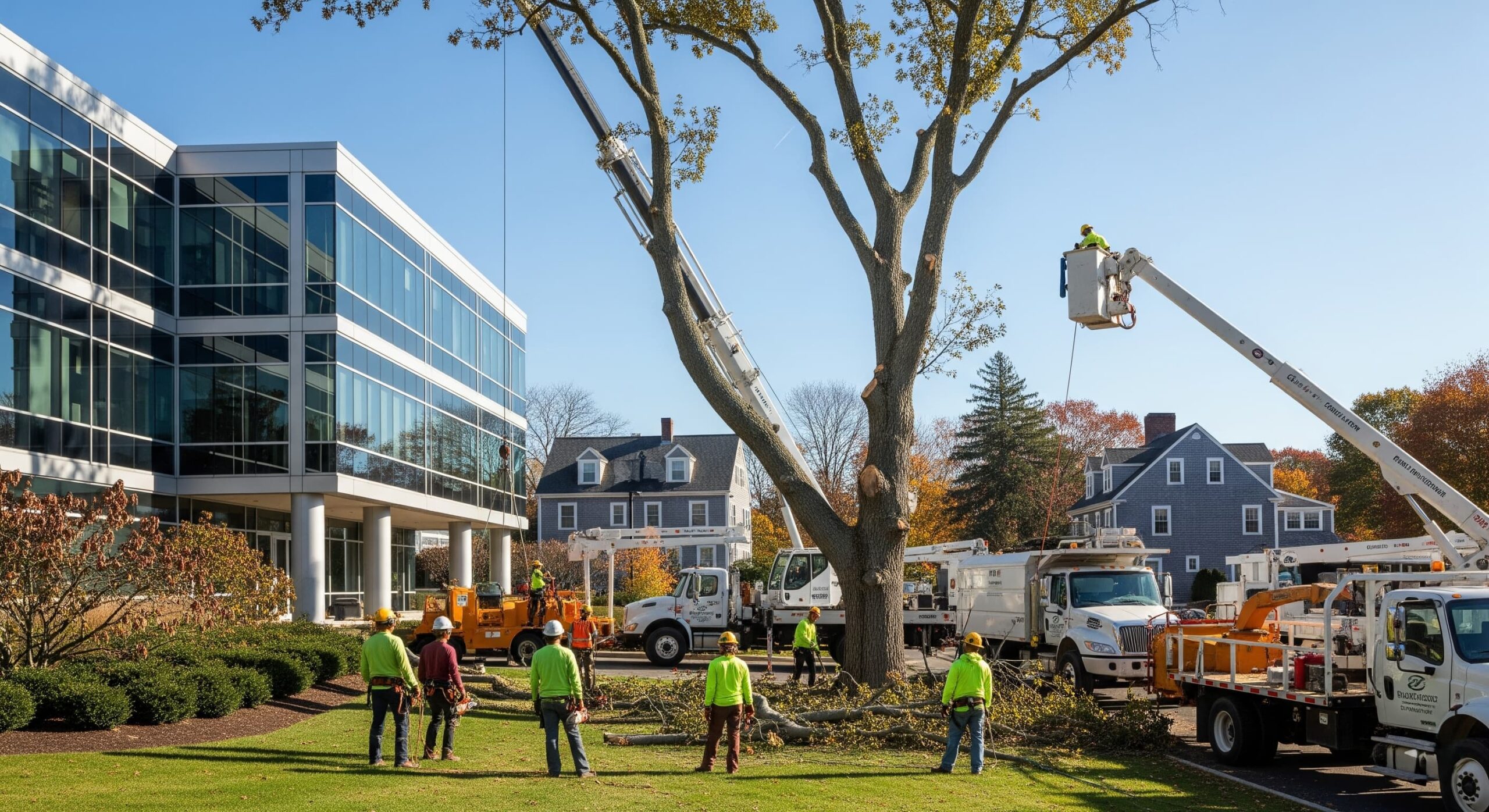
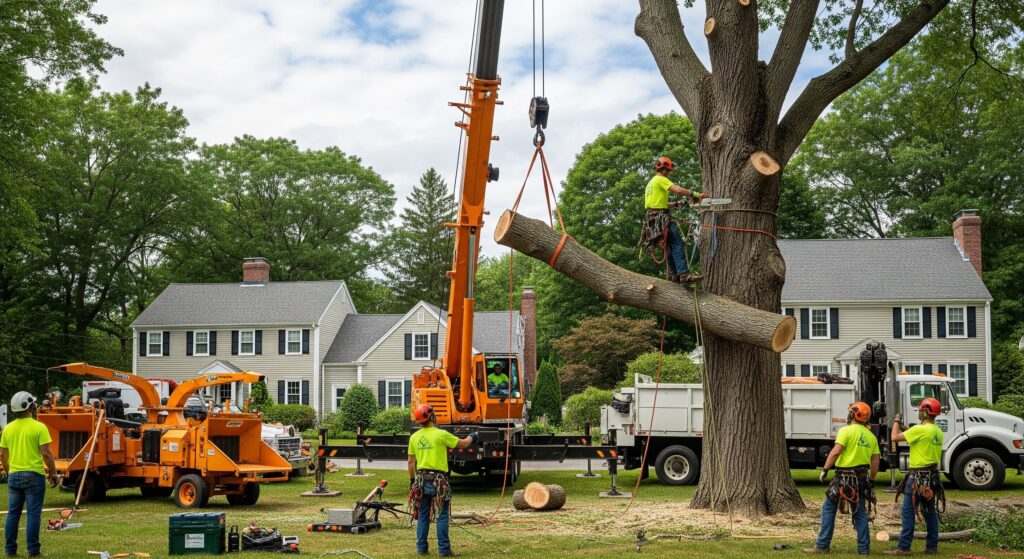
Professional tree-cutting service companies invest heavily in specialized machines that are designed to remove mature trees as safely and as efficiently as possible. The “gold standard” for large tree removal is the use of cranes to lift sections of the tree (usually weighing several tons) using a hydraulic lifting system with precision control. Modern cranes have greatly increased in terms of length of reach and sophistication of load management systems. These improvements allow for the piece-by-piece removal of large trees even in confined spaces.
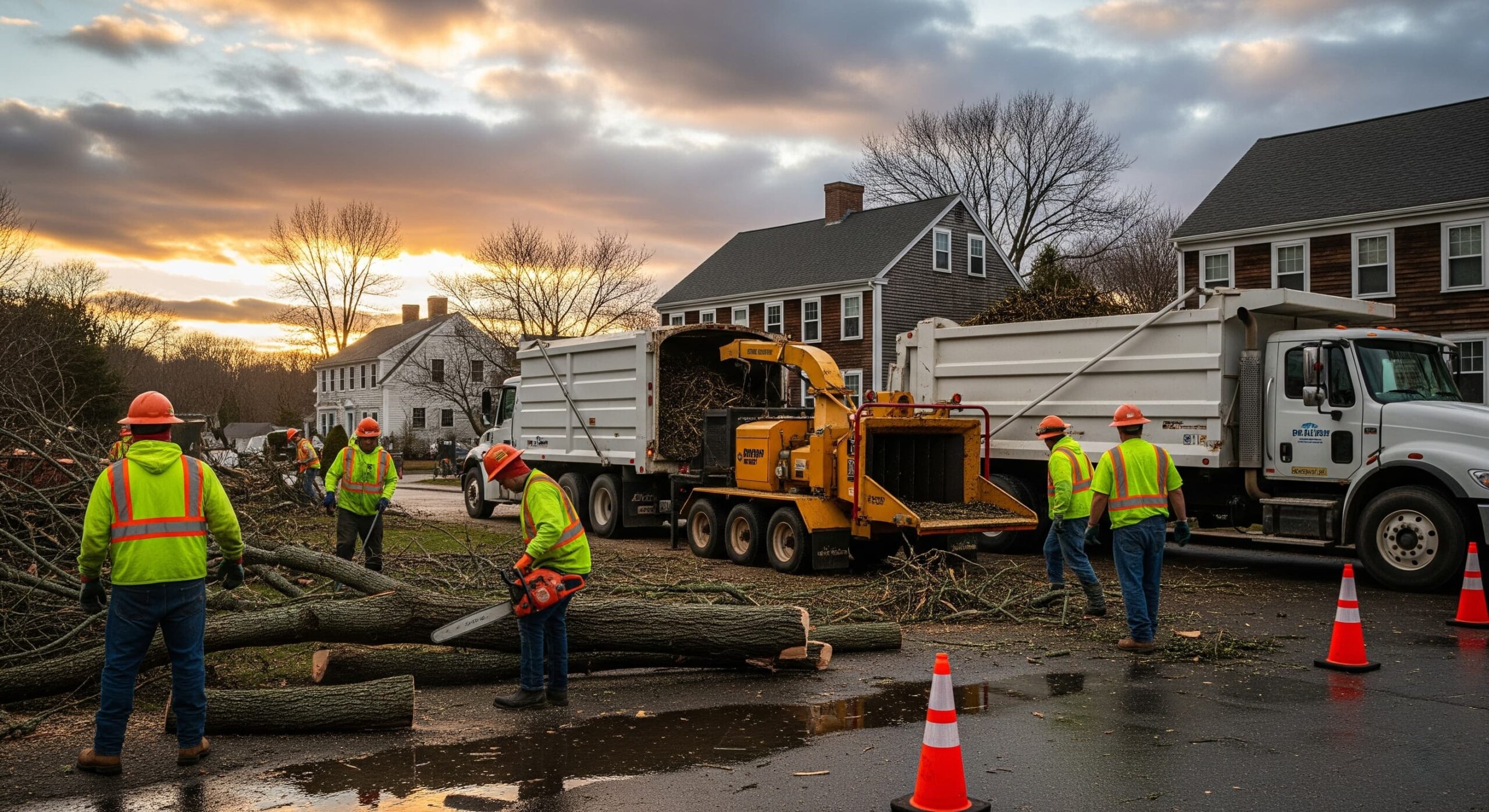
Bucket trucks provide elevated platforms for arborists working on tall trees that offer much greater stability and mobility than climbing techniques used for large-scale tree removal. Industrial-grade chippers are also an important part of the tree removal process; they allow for the rapid processing of large amounts of branches and foliage produced by the removal of large mature trees. Heavy-duty stump grinders are then used to remove any remaining root systems below ground level.
Complex Rigs and Safe Working Procedures
The removal of large trees requires the use of complex rigs to control the descent of large branches and trunk sections removed from the tree. Professional-grade rope, pulley systems, and mechanical advantages are used to safely distribute the load of removed tree components while preventing damage to surrounding structures and landscaping. Arborists must understand load calculations and rigging physics to safely remove the large components of mature trees.
Process of Evaluation and Planning
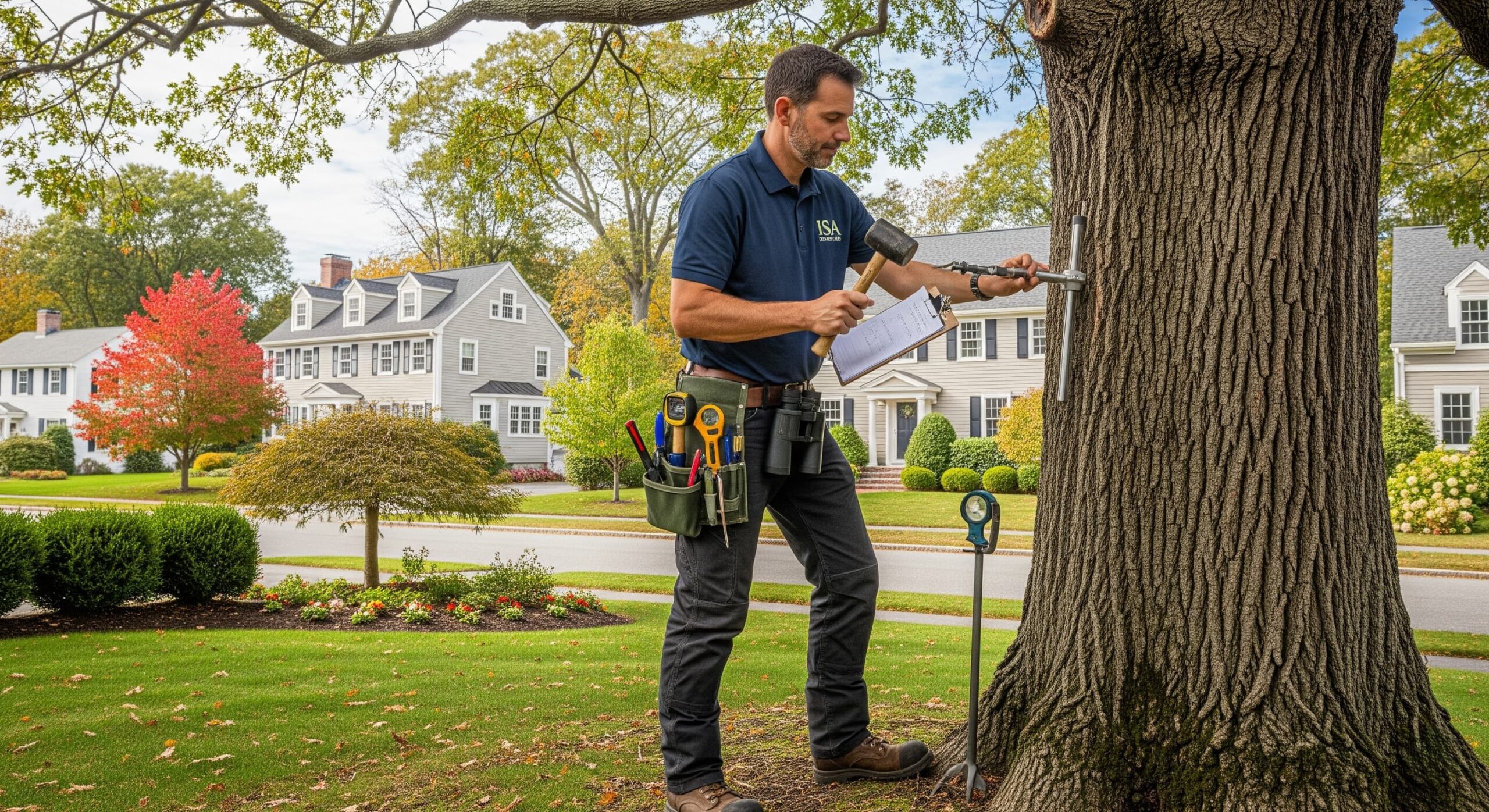
A successful large tree removal begins with a comprehensive evaluation of the structural integrity of the tree, the characteristics of the tree species, and the site-specific challenges. Arborists who specialize in large tree removal will evaluate the tree’s root system, its trunk condition, and its branching pattern to determine the most likely locations of failure and/or structural weaknesses that will impact the strategy for the removal of the tree.
An evaluation of the site includes determining the distance from the tree to any building, power lines, or adjacent trees. In addition, the arborist will determine the best location for the equipment and plan the access routes for the heavy equipment to reach the work area without damaging the driveway, lawn, or underground utilities. Weather conditions, seasonal factors, and local regulations can also impact the schedule for the project and the methodology for the removal of the tree.
Tree Species-Specific Factors
Different species of mature trees present different challenges for arborists specializing in large tree removal. For example, oak trees have very dense and heavy wood and branching patterns that are difficult to navigate and require special cutting techniques and strong rigging systems. Pine trees have brittle wood and extensive branching systems that must be carefully planned to avoid catastrophic failure during the removal operation.
Step-by-Step Disassembly
Because of the space and safety considerations in residential neighborhoods such as Saxonville and Framingham Center, it is not possible to fell large mature trees in one step. Professional tree-cutting service companies will employ a methodical and systematic disassembly technique starting at the outer edges of the canopy and progressing towards the center of the tree. This gradual reduction in weight and wind resistance allows for a safer and more controlled removal of the tree.
Arborists who specialize in large tree removal will strategically place cuts to prevent bark stripping and structural damage during each successive step of the disassembly process. They will take into consideration the natural tension points of the tree and the direction of the wood grain to create a clean separation of each section of the tree that is being removed. By employing this type of careful cutting technique, the remaining portion of the tree will be subjected to less stress during the removal process.
Precision Removal Using Cranes
Using cranes enables arborists to control the movement of large tree sections, which makes it possible to remove them in areas where a traditional felling operation would result in damage to surrounding property. Experienced crane operators work closely with arborists who climb the tree to position the lifting points and manage the load in a safe manner. The close collaboration of these two types of arborists will ensure that the operation is completed smoothly while maintaining a safe margin for both the workers and the surrounding property.
Risk Management and Safety Procedures
Large tree removal involves many serious risks to the safety of the arborists working on the job and the safety of the people living in the surrounding neighborhood. To mitigate these risks, professional tree-cutting service companies will develop and implement a variety of safety procedures and protocols for managing risk. These include specialized training for arborists in fall-protection, electrical-hazard awareness, and emergency response to a wide range of scenarios related to large tree removal. Personal Protective Equipment (PPE), such as hard hats, safety glasses, cut-resistant clothing, and fall-arrest equipment, will be provided to arborists working on large tree removal jobs.
The ground crew will also develop and follow safety protocols that establish a safe work area around the large tree removal operation and ensure that there is a means of communication available for the arborists working in the tree, the crane operator, and the ground personnel. Before beginning a large tree removal operation, the equipment will be inspected to ensure that it meets the manufacturer’s recommended operating conditions.
Preparation for Emergency Situations
In addition to developing safety procedures and protocols, professional tree-cutting service companies will also develop emergency response plans to respond quickly to any unexpected situation that arises during the course of a large tree removal operation. The emergency response plans will include training in first-aid, availability of emergency equipment, and the ability to contact emergency services if necessary. Preparation for emergencies is critical to minimizing the consequences of minor incidents from becoming major emergencies.
Environmental Concerns and Preserving Mature Trees
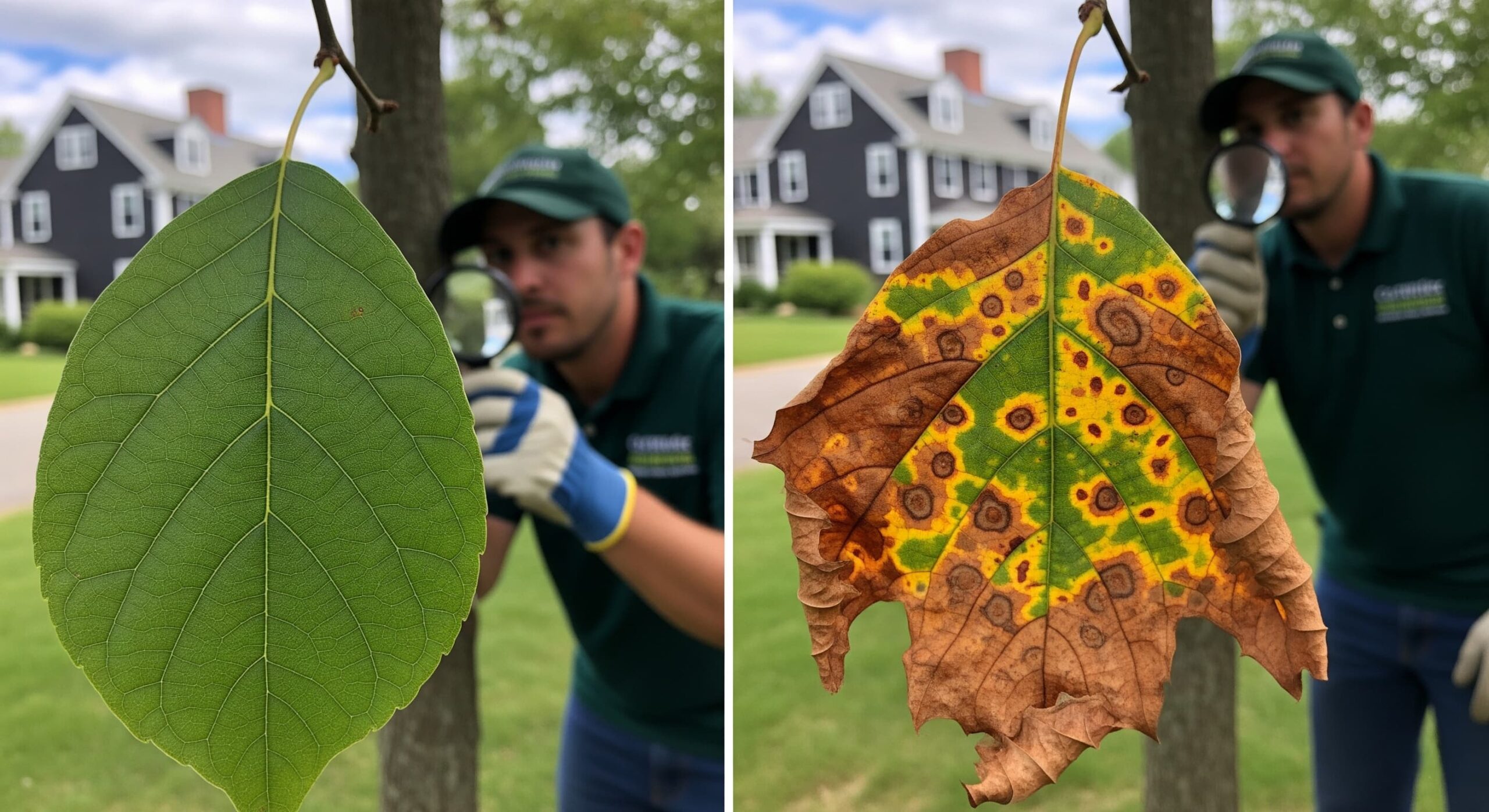
As part of their responsible business practices, tree-cutting service providers should assess the feasibility of preserving mature trees through alternative treatments before recommending removal. Supportive systems for structurally-weak trees, selective pruning to reduce branch growth, and disease treatment may extend the life of valuable specimen trees that contribute to the aesthetic appeal and property value of a home, and the environmental benefit of preserving mature trees.
If removal of the tree becomes necessary, the arborist will also develop environmental protection measures to minimize soil compaction caused by the heavy equipment, protect any remaining vegetation, and preserve the ecosystem-balance. Protecting the root-zone of remaining trees from damage by the heavy equipment during the large tree removal operation will help to prevent damage to adjacent trees.
Sustainable Waste Disposal and Recycling
The large quantities of wood and organic material generated during a large tree removal operation will be processed in a sustainable manner by professional tree-cutting service companies. The wood will be recycled into lumber products, and the branches and foliage will be turned into mulch or compost materials. This sustainable approach to waste disposal will minimize waste and provide valuable materials for other uses.
Utilities and Permits Required for Removal of Mature Trees
The removal of mature trees near power lines or other types of utilities may require coordination with the utility companies. As part of this coordination, the tree-cutting service provider will need to understand the notification requirements and safety procedures for working near electric-hazards. In some cases, a temporary shutdown of power may be required for the removal of trees located in proximity to power lines.
In addition to coordinating with the utility companies, the tree-cutting service provider may also need to obtain municipal permits for the removal of significant trees, especially those located in historic districts or areas with tree preservation ordinances. The experienced tree-cutting service provider will handle the permitting process and work with the local government agencies to ensure that all regulations governing large tree removal projects are complied with.
Timeframe and Project Management
Due to the complexities associated with large tree removal and the number of days required to safely and completely remove the tree, large tree removal operations typically require multiple days to complete. Professional tree-cutting service companies will provide realistic timeframes for completion that include the time required to set up equipment, dismantle the tree section-by-section, clean up, and restore the site to its original condition. Weather conditions, especially wind, rain, or snow, may impact the scheduled timeframe for completion of a large tree removal project.
Project management for large tree removal includes coordinating the efforts of multiple crews, the delivery and installation of equipment, and arrangements for the disposal of the removed tree components. The professional tree-cutting service company will also keep the client informed of progress throughout the duration of the project to maintain transparency and address any questions or concerns the client may have regarding the removal of the large tree.
Restoration of Property After Completion of Large Tree Removal
The cleanup after the removal of a large tree will include the removal of all debris, restoration of the soil, and repair of any damaged landscaping to restore the property to its original condition. The professional tree-cutting service company will take precautions to protect the driveway, sidewalks, and landscaping during the removal process to ensure that the cleanup is thorough and leaves no evidence of the removal of the tree except for the fact that the tree has been removed.
Cost Implications of Large Tree Removal
Large tree removal is a costly undertaking because of the specialized equipment required, the time-consuming nature of the removal process, and the logistical complexities of the removal operation. The cost of large tree removal is usually between $2000 and $7000 or more, depending upon the size of the tree, the degree of difficulty involved in accessing the tree, and the presence of obstacles that must be overcome in order to safely remove the tree. The cost of crane operations, the cost of obtaining permits, and the cost of disposing of the removed tree components will increase the cost of large tree removal relative to standard tree removal services.
Professional tree-cutting service companies will provide detailed written estimates that outline every component of the project, including equipment rentals, labor, permits, and clean-up costs. Transparency will enable the homeowner to clearly see the value he/she receives for his/her money and make informed decisions regarding the amount of money to spend on the removal of a large tree.
Selecting the Right Company to Perform Large Tree Removal
Choosing the right tree-cutting service to perform a large tree removal requires evaluating the qualifications and experience of the company. Companies should be evaluated based on their credentials (certified arborists with ISA or similar professional credentials), their equipment capabilities, and their past experiences with large tree removal projects. A history of completing large tree removal projects will indicate that the company has the expertise, resources, and equipment to safely and efficiently complete the removal of the large tree.
Insurance coverage, including general liability and workers’ compensation insurance, will also be important in selecting a reputable and reliable company to perform a large tree removal. Any references that the company provides from previous large tree removal projects will provide insight into how well the company performed and what kind of service was provided to customers.
Framingham Tree Experts has decades of experience in performing large tree removal projects. We possess state-of-the-art equipment and the certified arborists and crane operators necessary to safely and efficiently complete the most complex large tree removal projects in the MetroWest area. As a reputable and reliable tree-cutting service provider, we strive to exceed our customers’ expectations and provide the highest level of professionalism and service that discerning homeowners expect from their tree-cutting service provider.
LATEST POSTS