
Menu
Safe Disposal of Storm Debris & Fallen Trees in Framingham
Storm Damage Cleanup Framingham
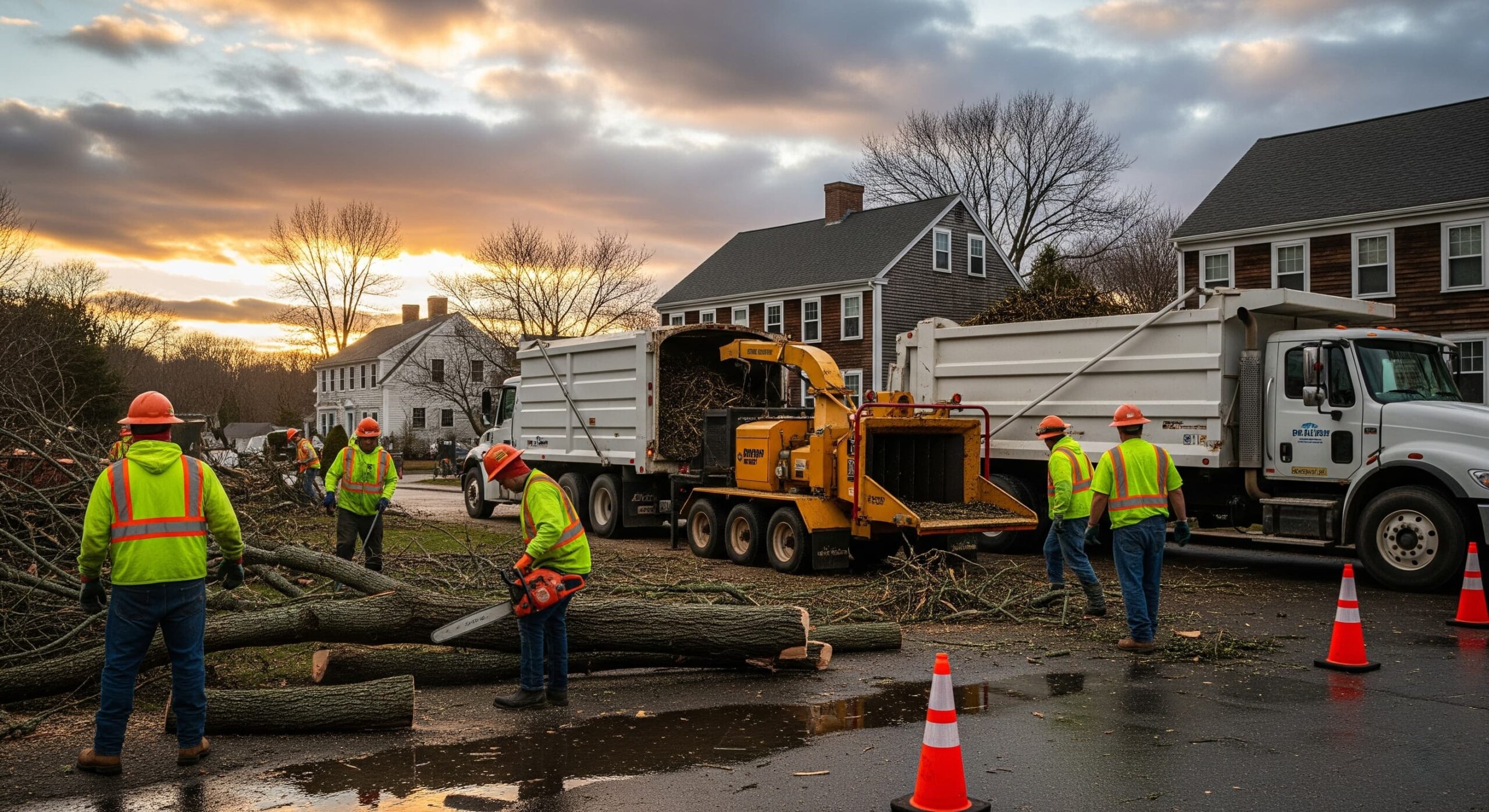
Storm damage cleanup is successful when you understand the safe way to dispose of items after a storm, follow local safety procedures, and know about the local regulations regarding the removal of debris from your property in Framingham. In addition to the potential for large volumes of tree debris and broken branches from severe storms in Massachusetts, the debris will contain disease, insects, and other contaminants that can cause serious health risks if not disposed of properly. Storm damage cleanup professionals are able to provide fast and efficient cleanup by providing the proper equipment and knowledge of how to remove debris safely and comply with all applicable codes and regulations. This will allow homeowners to be better prepared on what resources their city or town has available to help them clean up after a disaster, as well as provide them with professional options for cleaning up debris after a storm. Managing debris after a storm also helps prevent future problems such as pests, drainage, and neighborhood safety hazards.
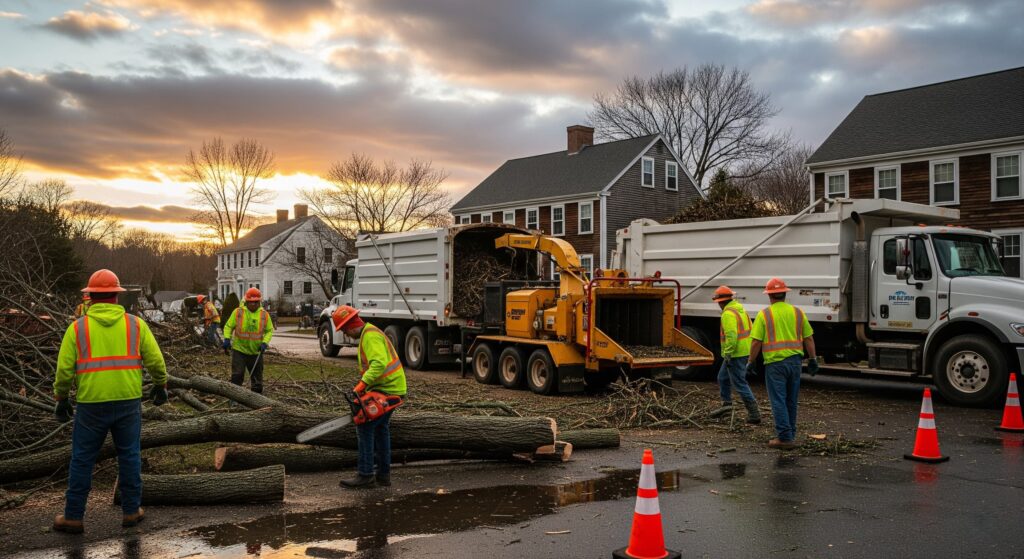
Framingham’s Municipal Debris Collection Services
The City of Framingham provides storm debris collection services following major weather events, usually establishing a special collection schedule during declared emergencies. As part of the emergency collection efforts, the City focuses on collecting debris that is an immediate threat to the safety of residents, such as fallen trees or branches that are obstructing roadways or sidewalks, or other public areas. The City requires that residents prepare debris according to City specifications and place it at designated locations for City crews to pick up.
Tree debris collected during storm debris collection typically consists of tree branches and brush no greater than 14 inches in diameter and does not have to be bundled or cut to a particular length. The City will not collect tree stumps, leaves, grass clippings, or construction debris during emergency collection efforts. Residents must properly stack debris at the edge of the roadway so that it does not interfere with traffic flow or pedestrian access, and wait for City crews to collect it.
Emergency Debris Collection Procedures
During major storm events, the Department of Public Works announces emergency debris collection procedures through official city communications (such as phone calls, email notifications) and local media outlets. The City’s emergency debris collection efforts are primarily focused on clearing hazards from public areas and restoring public safety concerns (i.e., clearing roads). Residents are encouraged to pay close attention to City communications and local media for details regarding collection schedules and required preparation.
Framingham Yard Waste Facility Options
Year-round, residents with a valid permit from the Recycling Drop-off Center (RDC), located at 255 Mount Wayte Avenue or 100 Western Avenue, may dispose of yard waste, including brush, leaves, grass clippings, and other plant waste, at the Framingham Yard Waste Facility, located at 155 Dudley Road. This facility allows residents to drop off yard waste during designated hours of operation. In addition to offering an alternative to curbside collection, this facility supports the City’s waste reduction and composting initiatives.
Residents are required to obtain a valid permit from the RDC prior to disposing of yard waste at the facility. The cost associated with the permit is used to fund the operational costs of the facility and to ensure that yard waste is disposed of in accordance with State regulations. The facility is conveniently located near many of Framingham’s residential neighborhoods, including Saxonville, Nobscot, and Downtown.
Professional Storm Damage Cleanup Services
Licensed tree service companies offer full-service solutions for property owners who need extensive debris removal following a major storm event and whose debris is too much for municipal collection services to manage. These professionals bring to the table the necessary equipment to efficiently clean up the debris, including chipper equipment, stump-grinding equipment, and large-capacity debris haulers.
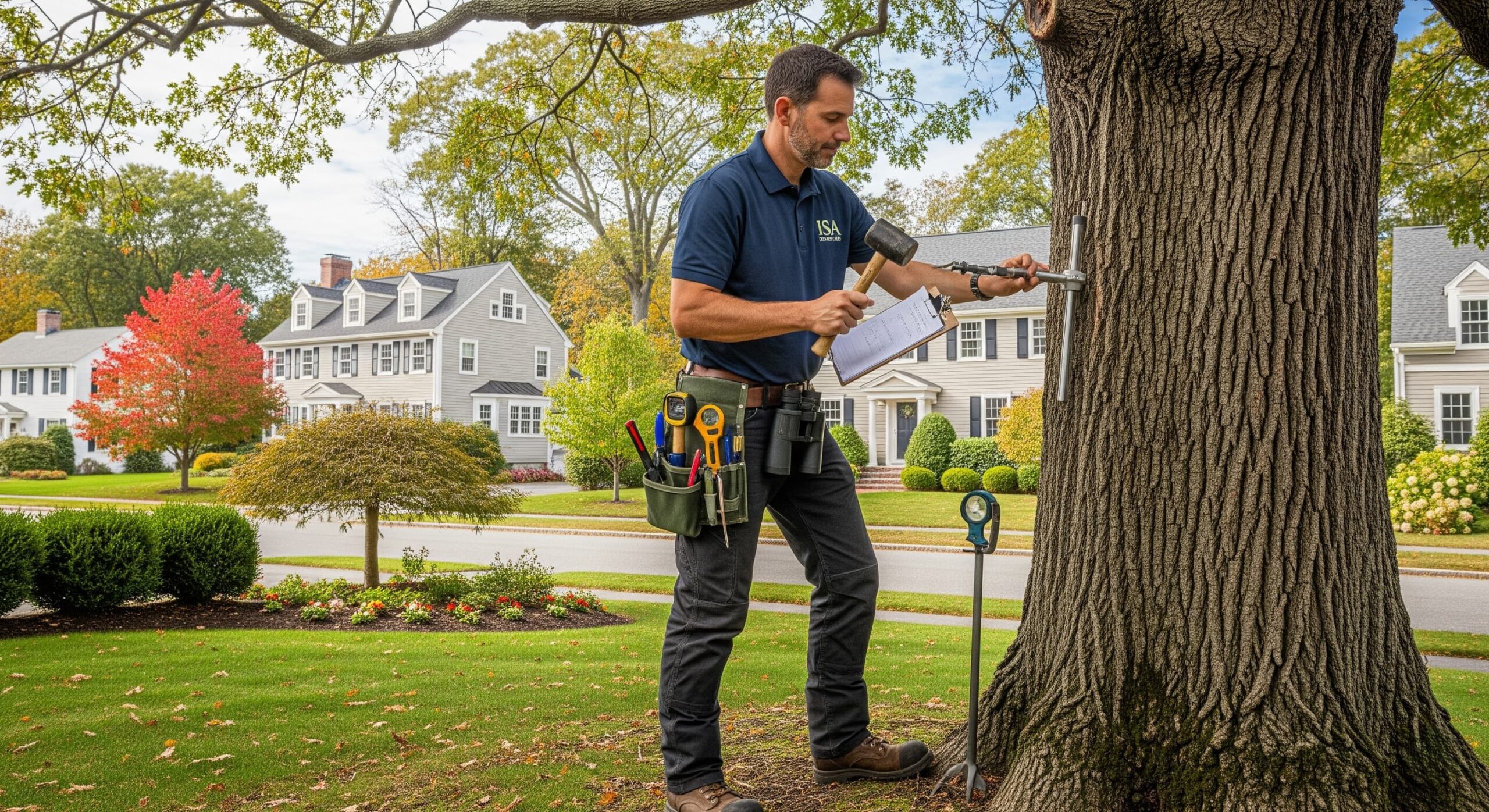
In addition to providing full-service cleanup, certified arborists assess storm-damaged trees to determine whether the trees are salvageable through proper pruning or if the trees must be completely removed for safety reasons. The professional cleanup services also assess hazards associated with the debris, remove the debris, restore the site, and properly dispose of the debris at licensed facilities. Additionally, professional cleanup services assist with coordinating insurance claims for storm damage cleanup and ensure that all documentation is completed properly.
Advantages of Equipment and Capabilities
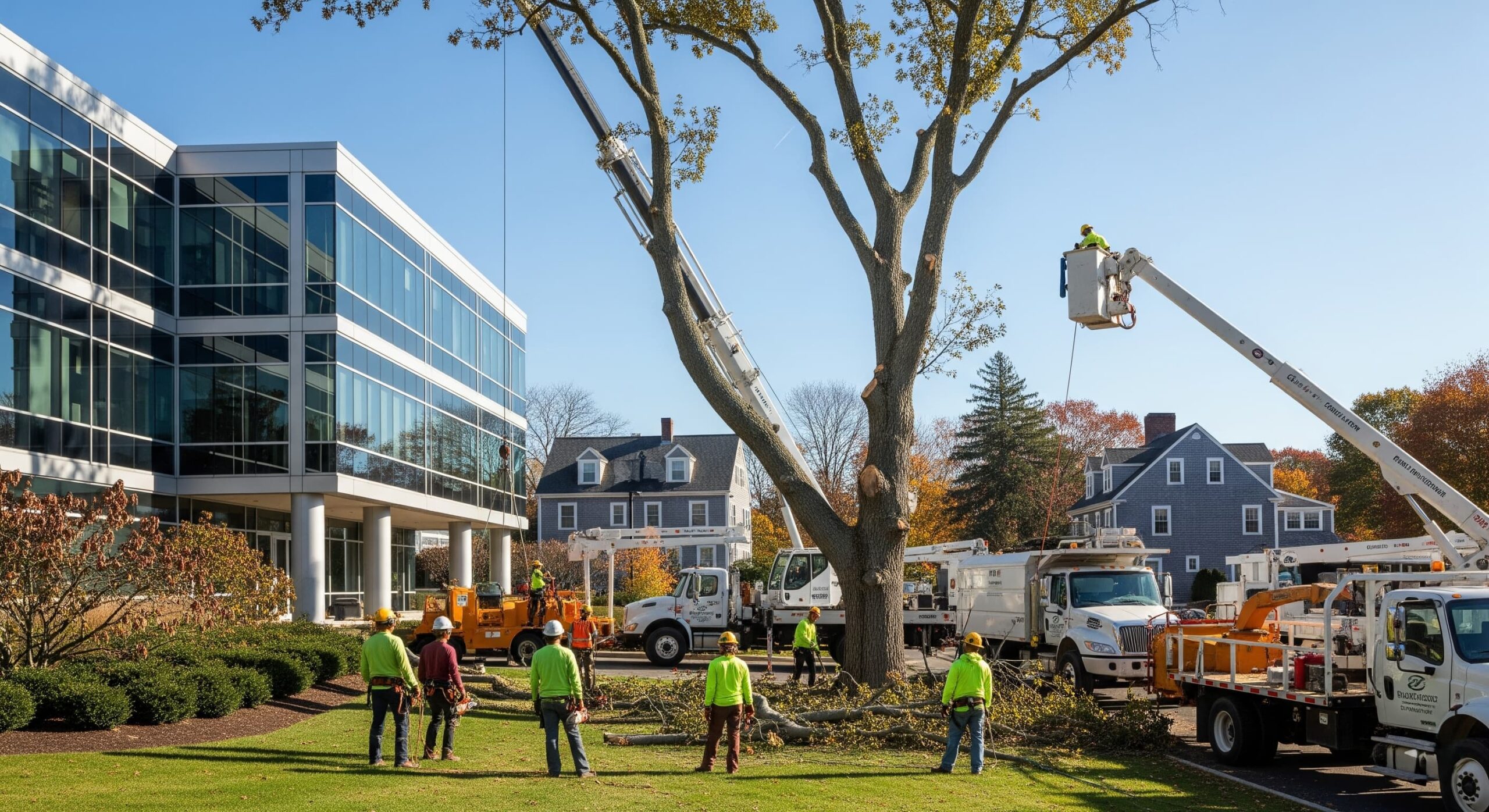
Professionals have industrial-grade equipment, including aerial lifts to allow safe access to damaged tree canopies, high-capacity chippers to process branches, and large-capacity trucks to haul debris efficiently. Professionals also have advanced rigging systems to safely remove branches that are precariously hanging over homes or other structures and are likely to cause additional property damage if left unrepaired. Furthermore, professionals have the necessary safety training and insurance to perform hazardous cleanup operations.
Protocols for Safe Handling of Storm Debris
Storm debris represents many hazards that can cause harm to individuals involved in cleanup efforts, including hidden electrical hazards caused by downed power lines, unstable tree structures, and heavy debris. Professionals develop safety protocols to address each of these hazards, including identifying overhead power lines, assessing the structural stability of trees, and using proper Personal Protective Equipment (PPE).
Property owners should never try to remove large tree debris without professional assistance, especially when there are power lines contacting trees and/or when trees are structurally unsound. Many hidden dangers exist in storm-damaged trees, including weakened roots, tension in bent branches, and damage to underground utilities, which require a professional to identify and mitigate.
Considerations for Personal Safety
Safe equipment, including hard hats, eye protection, cut-resistant gloves, and heavy-duty footwear, should always be worn when performing storm cleanup activities. Individuals attempting to operate chainsaws must first acquire specialized training and safety certification to minimize the risk of extreme injury from improper operation. When possible, property owners should prioritize clearing minor debris and leave hazardous removal tasks to the professionals.
Disposal Considerations for Environmental Protection
Properly disposing of storm debris is environmentally beneficial as organic materials are directed towards proper composting or recycling facilities instead of being placed in landfill waste streams. Regulations in Massachusetts encourage organic waste diversion through composting programs that convert tree debris into beneficial soil conditioners. Proper disposal practices help to protect water sources by preventing debris from accumulating in storm drains and waterways.
Professionals use approved disposal facilities that maximize recycling opportunities and comply with all environmental regulations. Typically, wood debris is processed into mulch, compost, or biomass fuels. Debris contaminated with pollutants requires specialized treatment to avoid environmental damage while promoting sustainable waste management practices.
Responsibilities and Liabilities Under the Law
Regardless of where debris originates, Massachusetts law assigns responsibilities for storm debris cleanup based on property ownership and boundaries. Property owners are generally responsible for the cleanup and disposal of debris on their property resulting from a storm, even if the debris originated from a neighbor’s property. Familiarity with these responsibilities helps prevent disputes and ensure proper completion of cleanup.
A landmark court decision, Ponte v. Silva, determined that property owners cannot be held liable for damage to their healthy trees during a natural disaster; however, property owners are still responsible for cleaning up debris on their property resulting from the same event. Insurance coverage typically covers structural damage, while property owners are responsible for cleanup costs. Professional documentation supports insurance claims and helps establish compliance with municipal regulations.
Municipal vs. Private Property Responsibilities
Under Massachusetts law, property owners are responsible for cleaning up City-owned trees that fall onto their property. However, City crews respond quickly to public safety hazards that pose an immediate threat to the public or its infrastructure, including debris that blocks public access or threatens public infrastructure. If debris is affecting public areas or utilities, residents should contact the City.
Costs and Budget Considerations
Storm damage cleanup costs are highly variable based on debris volume, accessibility issues, and disposal requirements that impact total project cost. Professional services are usually billed based on time, equipment requirements, and disposal costs at licensed facilities. Due to the urgent nature of emergency response and high demand for equipment following major weather events, emergency cleanup is usually provided at a higher cost than regular cleanup.
Municipal disposal options are cost-effective alternatives for residents who generate a manageable amount of debris and have access to adequate transportation. The cost of RDC permits grants residents access to City facilities and supports the City’s waste management programs. Professional services provide a comprehensive solution for cleanup projects requiring specialized equipment and expertise, and may provide better value for homeowners with larger amounts of debris.
Time and Scheduling Considerations
The timing of storm debris cleanup has a direct impact on both cost and efficiency. Immediate response minimizes secondary problems such as pest infestation and clogged storm drains. Professional services experience a high demand for services following major weather events, and thus scheduling services well in advance is recommended to ensure prompt response. Municipal collection schedules depend on the severity of the storm and the number of resources available in the affected areas.
Seasonal Factors Affect Cleanup Strategies
Clean-up strategies differ depending on the season of the storm. Winter storms present unique challenges compared to summer wind events due to ground conditions and accessibility restrictions. Spring clean-up often involves combining storm debris with routine yard maintenance for increased efficiency. Establishing service relationships with professionals enables planning and scheduling in advance of high-demand periods.
Challenges Associated with Weather Conditions
Weather conditions can hinder cleanup operations when the weather creates hazardous working conditions for crews and equipment. Wet conditions create slippery surfaces and limit the functionality of equipment, while frozen ground prevents heavy equipment from accessing the debris. Professional services remain flexible to accommodate weather-related delays and continue to prioritize safety.
Strategies for Prevention and Preparedness
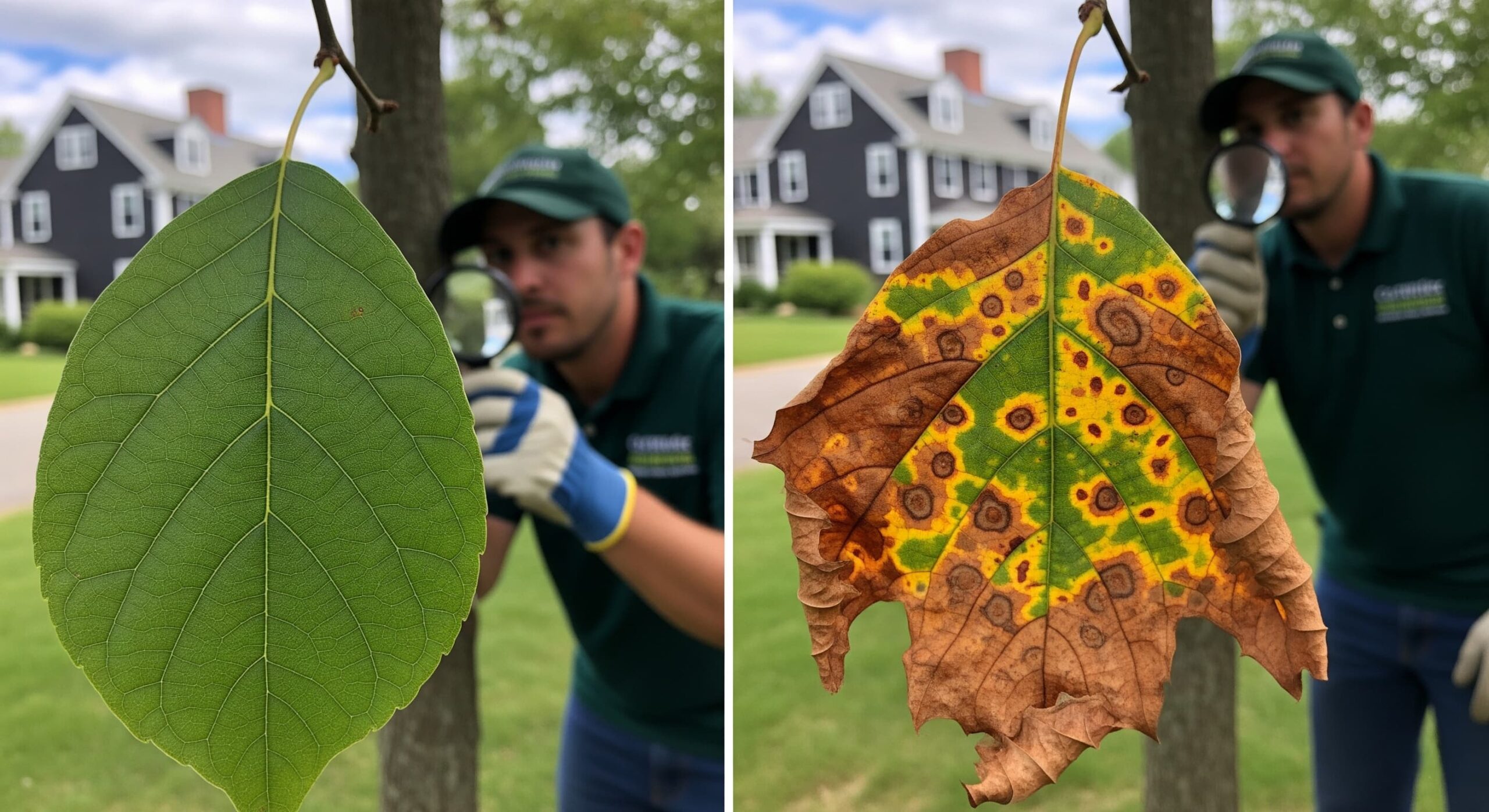
Regular tree care and maintenance are excellent ways to reduce the amount of debris generated during severe weather events and minimize property damage. Identifying potentially hazardous trees through regular assessments performed by professionals can help prevent accidents by allowing the removal or treatment of problem trees before storms create an emergency. Strategic pruning of trees can improve the structure of trees and make them more resilient to strong winds.
Preparing for emergencies involves identifying local disposal options, obtaining contact information for professionals, and understanding insurance coverage for storm damage cleanup. Developing pre-existing relationships with qualified tree service providers ensures priority response during emergencies when demand exceeds supply in the affected region.
Documentation and Coverage Provided by Insurance
Homeowner’s insurance usually covers damage to structures caused by storms. The type and extent of coverage for debris removal depend on the terms of the policy. Understanding the limitations of coverage enables property owners to plan for cleanup expenses and maximize benefits from insurance policies. Professional documentation is usually required to support insurance claims and ensure compliance with policy requirements for coverage approval.
Documenting debris before, during, and after cleanup activities provides evidence supporting insurance claims and may be needed to resolve any subsequent disputes. Professional services often act as a liaison with insurance companies to facilitate streamlined claim processing and ensure that documentation meets the standards required for approval.
Selection Criteria for Professional Storm Damage Cleanup Services
To select competent storm damage cleanup services, you need to verify that the company has obtained the proper licensure, carries insurance, and has local experience with Massachusetts regulations and disposal requirements. Companies should have the proper certifications and adhere to environmental protection protocols during cleanup. It is advisable to seek services from companies that have the capability to respond in emergencies (including 24-hour response capability) and have experience with similar projects in the past.
- ISA certification for arborists
- Proper business licensure
- Comprehensive insurance coverage for employees and property owners
- Experience working with Framingham’s regulations and disposal facilities
- References from customers served in the past
By engaging the services of Framingham Tree Experts, property owners in Framingham can count on our experienced staff to take care of all aspects of the cleanup and disposal of debris resulting from a storm, while adhering to all applicable regulations. We understand both municipal regulations and professional cleanup standards, providing property owners with a safe and responsible means to restore their property as quickly as possible after a storm. Whether you need storm damage cleanup in Framingham or elsewhere in the MetroWest area, we will get your home back in order promptly and professionally.
LATEST POSTS