Menu
Tree Health Assessment in Framingham: Why It Matters
Tree Health Assessment Framingham
Property owners in Framingham benefit greatly from a professional tree health assessment because it offers them valuable insight into their investments in their properties, as well as identifies potential safety issues for both their family and their neighbors prior to becoming dangerous or expensive. The process of evaluating trees is done by certified arborists using systematic methods to evaluate the overall condition of the tree as well as the structural integrity and long term viability of the tree throughout Massachusetts’ extreme weather conditions. By assessing your trees regularly, you are able to develop proactive management strategies to protect your investment in your property, your family, and your neighbors from tree-related accidents. An understanding of the value of the professional evaluation of your tree will help you to make an educated decision on how to manage your mature tree assets. A comprehensive tree health assessment includes a visual examination and advanced diagnostics to provide an accurate report of the current condition of your tree, as well as provide you with a list of recommended management strategies.
What Does a Professional Tree Health Assessment Involve?
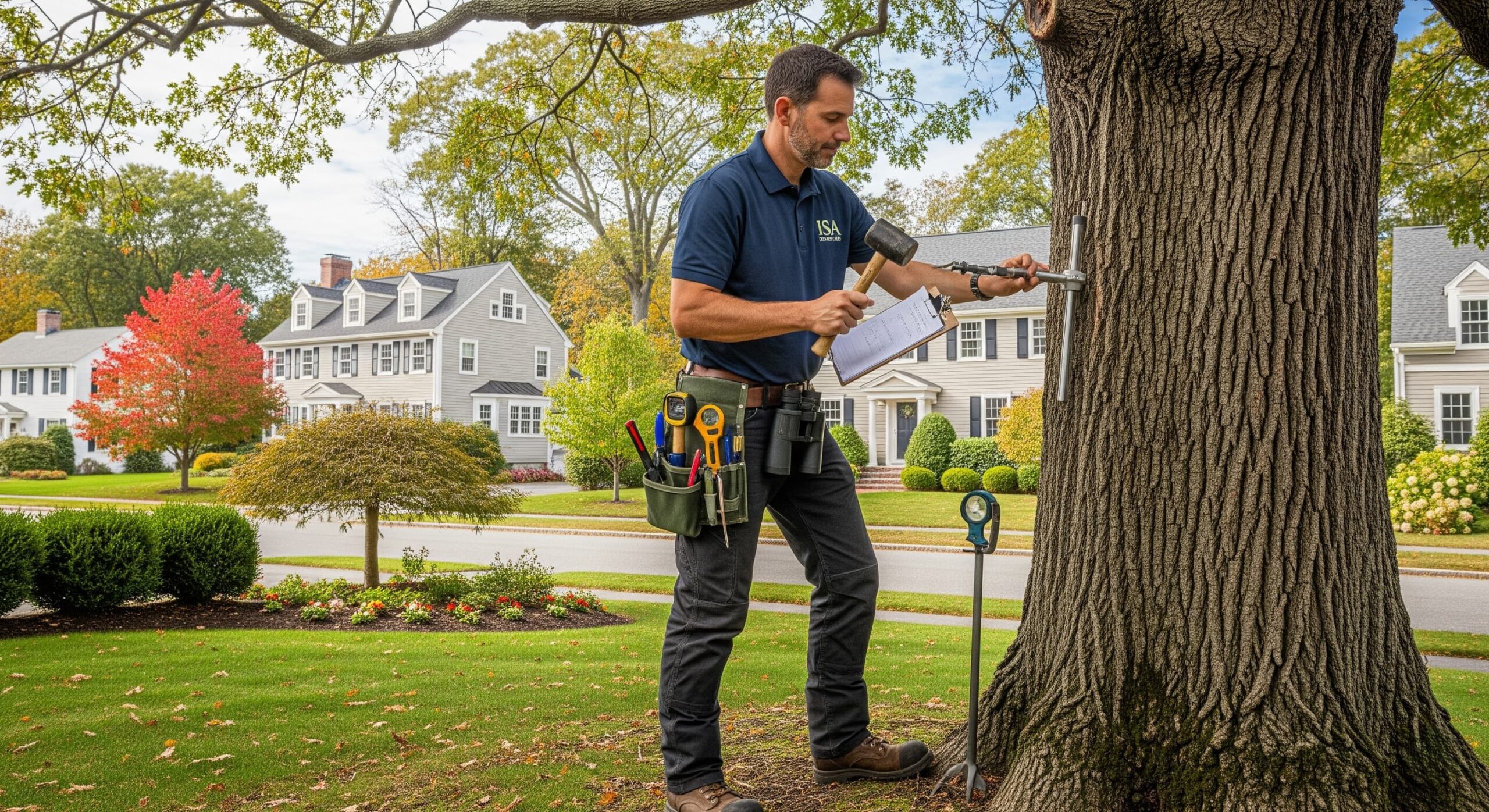
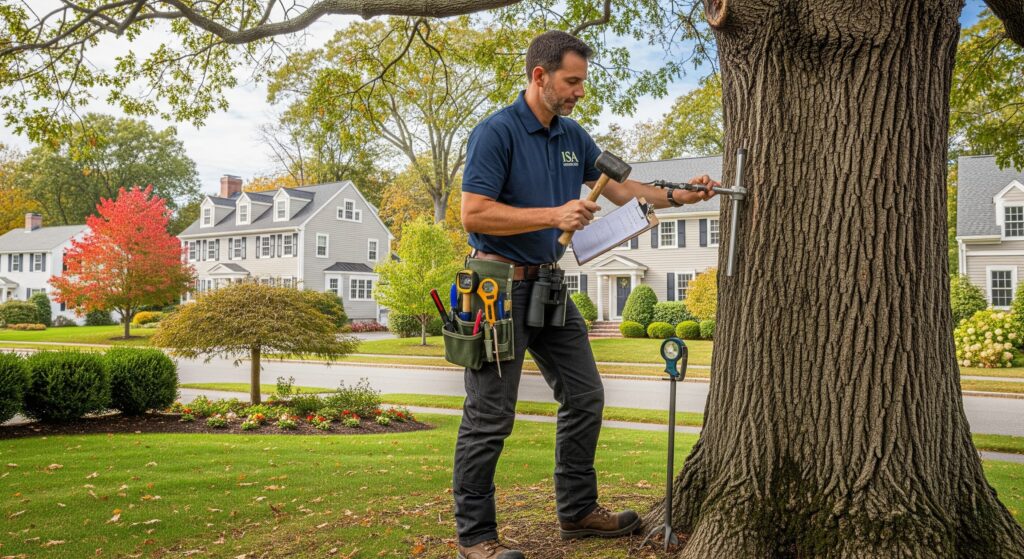
A professional arborist conducts a structured examination of all aspects of tree health from the root system up through the tree’s canopy. The first part of this evaluation is the site evaluation, which includes an evaluation of the soil, the drainage, and other environmental factors that affect tree growth. An arborist will visually inspect the tree for visible signs of damage, but will use specialized equipment to detect internal decay, damage to the roots, and structural weaknesses that are not visible to the naked eye.
As part of their professional evaluation, arborists document in great detail all information about the tree species, the estimated age of the tree, its growth pattern, and any historical influences on the tree’s current condition. They evaluate the tree’s branch structure, trunk integrity, and root-zone stability according to standard protocols in the arboriculture industry. Arborists may use advanced diagnostic equipment, such as resistographs, to determine if there is internal decay, may excavate the roots of the tree to assess the root system’s relationship to any nearby structures, and analyze the soil around the base of the tree to determine if the soil has adequate nutrients.
Components of a Thorough Evaluation
Arborists look at many different factors when evaluating a tree’s overall health. Some of the major factors they consider are structural flaws, symptoms of disease, insect pests, and any signs of stress caused by environmental factors. Arborists evaluate how branches are attached to the main trunk of the tree, whether there are co-dominant stems, and where weak unions exist that can potentially cause a tree to fail. When evaluating the root system of the tree, arborists will evaluate the surface roots of the tree, assess the level of soil compaction in the area surrounding the roots, and assess whether the drainage in the area is adequate.
Benefits of Reduced Liability and Enhanced Safety
The regular evaluation of a tree’s health can dramatically reduce a land owner’s potential liability for accidents or property damage caused by the failure of a tree. Trees located in residential areas have grown for many years and have developed structural problems that do not show themselves until weather events occur, and the structural problems cause a tree to fail. A professional evaluation will give you an early warning system that allows you to take corrective action or strategically remove the tree before it causes a problem.
When assessing potential risks, arborists evaluate what the potential damage areas would be in case a tree were to fail. Examples of potential damage areas include buildings, vehicles, pedestrian paths, and utility lines that could be damaged by falling limbs or trunks. By quantifying the likelihood of these risks, property owners can make educated decisions regarding either treatment options or removal options. In some cases, insurance companies will require property owners to obtain a professional evaluation prior to providing coverage for high-value properties that have mature trees.
How Assessments Can Help Prevent Catastrophic Failure
A professional evaluation of your tree(s) will allow you to identify any hidden structural flaws, such as internal decay, root rot, or cracks in the trunk, that can cause a tree to fail without visible symptoms. If these problems are identified early enough, treatments can be applied to preserve the tree and eliminate any potential safety hazards. It is often much less expensive to apply preventative measures than to repair property damage resulting from emergency removals.
Protecting Property Values and Enhancing Them
Well-managed, healthy trees add a significant amount of value to residential and commercial properties in the MetroWest communities of Massachusetts. By performing a professional tree health evaluation, you can ensure that the trees in your landscape remain assets rather than liabilities that need costly emergency intervention. By implementing a professional management plan based upon the results of a professional evaluation, you can maximize the life of your trees while maintaining their aesthetic and environmental benefits.
Documentation of the Evaluation
One of the many advantages of hiring a certified arborist to perform a tree health evaluation is that he/she will provide you with documented evidence of his/her evaluation. This documentation can be used as a record for insurance purposes, real estate transactions, and to assist in developing future management plans for your landscape. Certified arborist reports demonstrate to insurance companies, lenders, and the courts that you have taken due care in the maintenance of your trees, and will support any claims you might file in the event of tree-related damage to your property.
Detecting Diseases and Pests Early
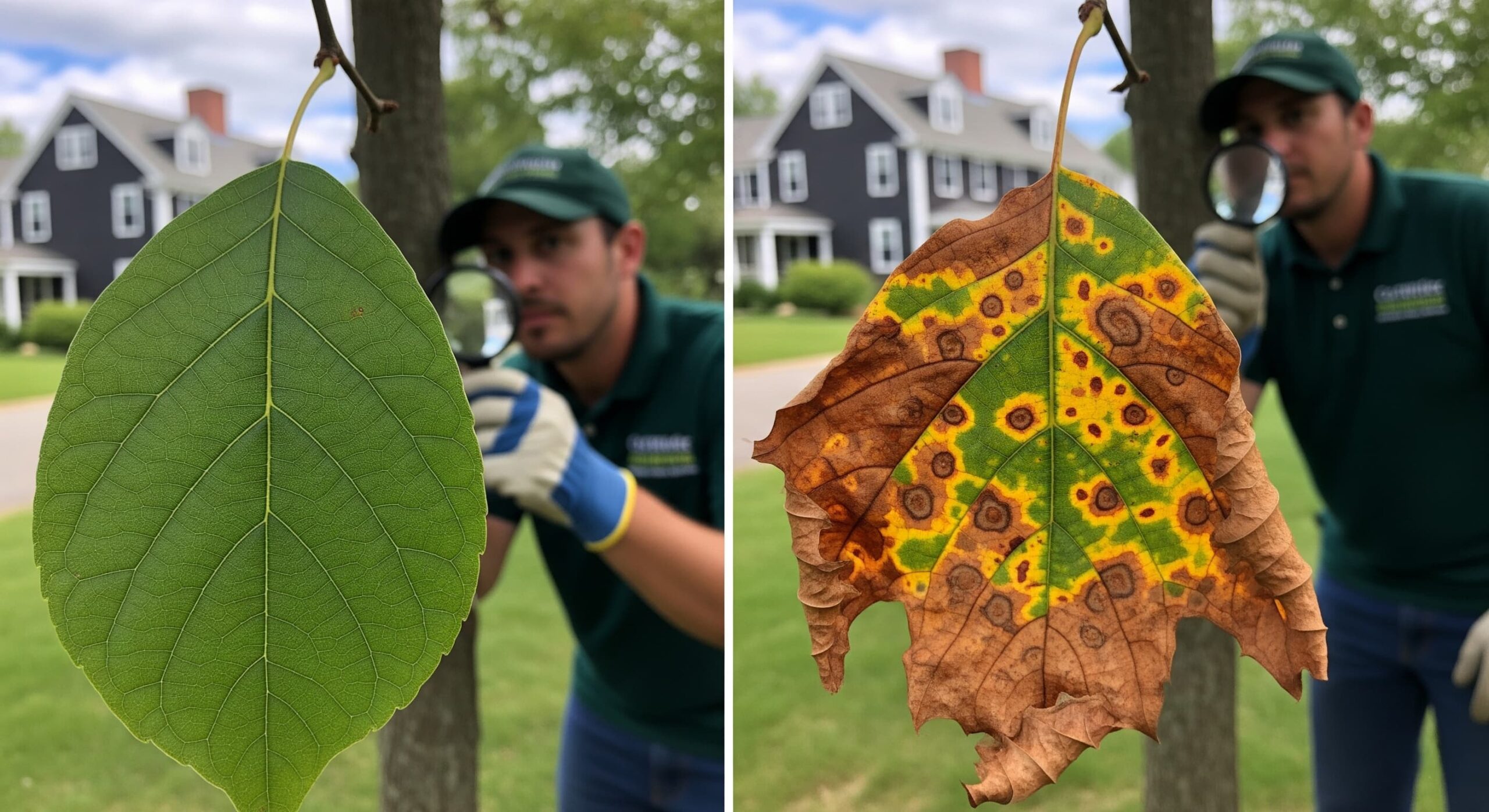
A trained arborist can recognize symptoms of disease and insects early in their development when treatments are most effective and least expensive. Many tree health problems develop slowly and may not be readily noticeable to non-professionals until the damage has progressed to the point of being severe or irreparable. A professional evaluation can catch problems before they reach the point of no return.
In addition to recognizing diseases and pests in the early stages of their development, a professional evaluation can also identify other potential problems, such as structural weakness, root damage, and other conditions that can lead to premature failure of a tree. For example, in Massachusetts, there are several tree diseases that can be devastating to certain types of trees, such as the emerald ash borer, hemlock woolly adelgid, and oak wilt, among others. Each of these diseases presents unique challenges in treatment, and early detection is critical to successful management of these diseases.
Monitoring Different Types of Trees Based Upon Species Characteristics
There are many different species of trees, and each species has its own set of vulnerabilities and growth characteristics. Professional arborists understand the unique health indicators and required treatments for each species. For example, beech leaf disease, oak wilt, and Dutch elm disease each present a distinct combination of symptoms that requires the expertise of a professional to diagnose and manage.
Timing of Evaluations
The frequency of evaluations depends on the age of the tree, the type of tree, the environment in which the tree is located, and the factors that influence the tree’s health. Typically, mature trees are evaluated professionally every 3 to 5 years; however, younger trees may need to be monitored more frequently during their establishment phase. Any situation that represents an increased risk, such as post-storm, construction near the tree, or the presence of tree disease, necessitates immediate evaluation.
The timing of evaluations also impacts their effectiveness of evaluations. Evaluations made during the dormant season provide an opportunity to clearly view any structural problems in the tree, whereas evaluations made during the growing season allow arborists to assess the health of the leaves and foliage.
Post-Storm Evaluations
Evaluations made after a storm can identify damage to trees that may not be immediately apparent. Although structural damage may not be evident for days or even weeks after the storm, professional evaluation can still be beneficial in identifying the full extent of the damage. In addition to providing an early warning system for potential problems, professional evaluation can help identify potential risks to people and property.
Identifying Areas Most at Risk for Damage
Arborists assess the tree for potential damage to nearby structures, including buildings, vehicles, sidewalks, and utility lines, that could be damaged by failing branches or trunks. Quantitative risk analysis assists homeowners and business owners in understanding the probability of the risks associated with their trees and making informed decisions regarding the treatment of their trees.
Insurance Companies
Many insurance companies require property owners to hire a professional arborist to evaluate the health of their trees prior to providing coverage for high-value properties that contain mature trees. The purpose of this requirement is to establish that the property owner has taken reasonable steps to protect their property from potential damage.
Cost/Benefit of Professional Evaluation
The cost of a professional evaluation of a tree can vary greatly, depending on the complexity of the evaluation and the size of the property. Costs for evaluations can typically range from $100 to $500 or more. However, the benefits associated with a professional evaluation far outweigh the costs. The primary benefit of a professional evaluation is that it can help avoid the costs associated with emergency removals and the potential for property damage. Additionally, a professional evaluation can help extend the lifespan of trees and thus provide greater protection for the property owner’s investment in landscaping.
Typically, the costs associated with a professional evaluation are a fraction of the costs associated with replacing a tree that fails prematurely. As such, property owners should be willing to invest in a professional evaluation of their trees in order to ensure the long-term health and safety of those trees.
References:
- International Society of Arboriculture (ISA)
- Tree Risk Assessment Qualification (TRAQ)
Indicators of Quality in an Evaluation Report
Reports prepared by professional arborists should contain detailed findings regarding the health of the trees on a given property, photographs documenting the findings of the evaluation, and a list of recommendations for treatments that will address any deficiencies found in the trees. The report should also include estimated costs for the treatments. Follow-up consultations should be provided to answer questions and to assist in the preparation of a plan to implement the treatments recommended in the report.
Evaluation Reports as Part of a Total Tree Care Program
A tree health evaluation is the basis of any total tree care program designed to maintain the property investment made in trees. The findings of the evaluation guide the application of fertilizers, pest-management strategies, pruning, and other care procedures tailored to meet the individual needs of each tree. Regular monitoring of tree response to care procedures can indicate the need for adjustments to the care program.
An evaluation report can be integrated into a schedule of routine seasonal maintenance to optimize the timing and effectiveness of care procedures. Preventative care procedures based on evaluation findings can often prevent problems from occurring, thereby maintaining the health and safety of trees and minimizing the need for costly emergency removals and repairs.
Environmental and Community Benefits of Evaluation-Based Tree Care
A professional tree health evaluation supports the sustainability of urban forests by preserving healthy tree populations that provide important environmental services, including air-pollution mitigation, stormwater-runoff management, and carbon sequestration. Healthy trees also enhance the aesthetic appeal of neighborhoods and contribute to the property values in them. Through evaluation-based management, trees remain community assets rather than liabilities.
Evaluation-based management minimizes waste generated by the premature loss of trees and promotes biodiversity and habitat for wildlife. By extending the lifespan of trees through proactive care, property owners maximize the long-term environmental benefits of their trees.
Long-Term Planning for Future Landscaping Needs
Regular tree health evaluations allow property owners to plan for the future of their landscapes and the eventual replacement of trees that will eventually decline and die. Evaluation data are useful in selecting species to plant, determining optimal locations for new plants, and determining the care needed for new plants. Long-term planning avoids gaps in tree cover while controlling the cost of replacing trees over time.
Evaluation-Based Opportunities for Improving Your Landscape
Professional evaluation can provide property owners with opportunities to enhance their landscapes through selective removal, strategic pruning, and supplemental planting. Evaluation-based management plans provide property owners with the guidance needed to allocate their budget effectively to achieve the greatest return on their landscape investment while meeting their evolving needs and preferences.
For professional tree health evaluations in Framingham, property owners can rely on our ISA-certified arborists who offer thorough evaluations and practical management advice. With extensive local knowledge and the use of the latest technologies, Framingham Tree Experts offers assessment services that will protect the investment in your property while maintaining safety in the community throughout the MetroWest region.
LATEST POSTS