
Menu
Timing Your Tree Planting: Fall vs Spring in Framingham
Tree Planting Framingham
The timing of strategic tree plantings can greatly impact how well newly planted trees establish themselves and how well they remain healthy over time in Framingham’s climate in Massachusetts. Both fall and spring have their own unique positives regarding planting, and the best time to plant depends on a combination of factors, including species selected, site conditions, and local weather. When choosing the optimal schedule for planting to increase chances of tree survival and decrease potential need for maintenance, professional arborists take into consideration all of these factors. Knowing what each season has to offer as far as tree planting is essential for property owners who are looking to make an educated decision regarding their investment in landscaping. The Massachusetts climate zone 6 – 7 designation also supplies guidelines for optimal planting times for tree planting in the MetroWest area.
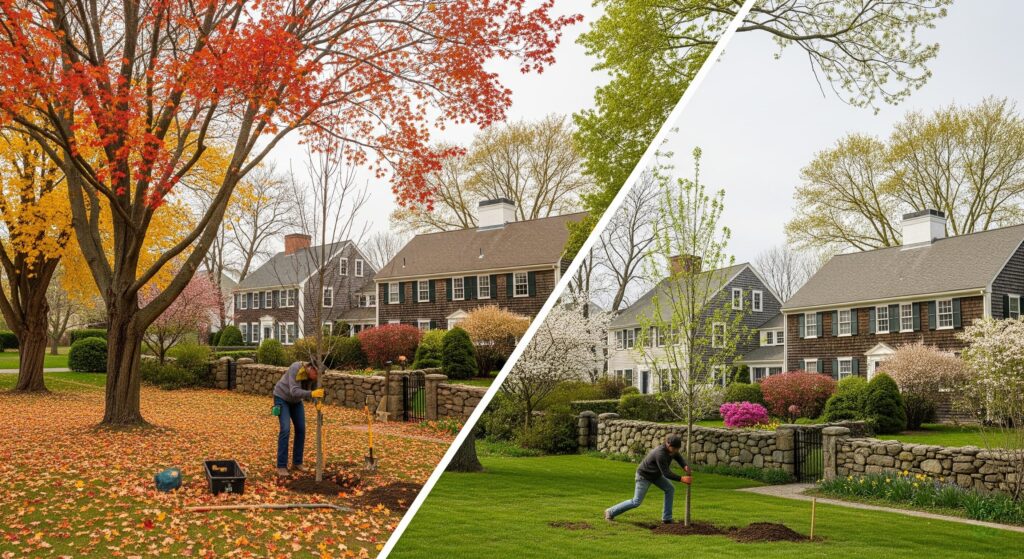
Benefits of Fall Tree Planting in Framingham
Fall tree planting in Framingham typically takes place from late August through late October, and is an advantage that many homeowners are unaware of. Soil temperature is warmer at this time of year than in the spring, while the cooler air temperature will greatly assist the young tree’s ability to develop its root system, avoiding the extreme heat of summer. Additionally, there is less need for irrigation in the fall as the consistent rainfall at this time of year greatly assists in keeping the soil moist. Also, the longer growing season in the fall allows for the young tree to develop a larger root system before entering into dormancy.
Advantages of the Root Development Period in Fall
In contrast to spring planting, fall planting allows the young tree to focus its energy on developing its root system, as opposed to producing foliage. This results in a much stronger root system prior to experiencing the stresses associated with the winter months. In fact, the young tree’s root system will continue to grow until the soil temperature drops below 40 degrees F, which in the Framingham area typically occurs around late December. The longer growing season in the fall will allow the young tree to establish a more robust root system prior to the onset of winter, and ultimately provide a more stable foundation for the tree.
Considerations When Planning to Plant Trees in the Spring
While spring tree planting is still the preferred method of tree planting for many homeowners, there are some definite advantages to tree planting in the spring. For one, the growing season has just begun, providing the young tree with the entire growing season to establish itself prior to the onset of the harsher winter months. Secondly, the soil temperature warms up gradually in the spring, allowing for more precise control of when to plant your trees, thereby minimizing the risk of planting in wet or frozen soil.
Availability of Nursery Stock in the Spring
Additionally, nursery stock is typically available in the greatest quantities and of the highest quality in the spring. As a result, you have more choices as to what type of tree you want to plant on your property. Furthermore, garden centers tend to carry more trees and shrubs in the spring, making it easier to find healthy specimens.
Planting Trees in the Spring Aligns with Gardening Enthusiasm
Finally, spring planting tends to coincide with the time when homeowners begin to take an interest in outdoor activities again, and therefore, are more likely to be interested in investing in their landscaping. This renewed interest in gardening is beneficial to both the homeowner and the landscaper.
Benefits of the Extended Growing Season in the Spring
One of the primary advantages of planting trees in the spring is that they have the entire growing season to develop both their root and foliage systems. As a result, the young tree develops sufficient energy reserves to sustain itself throughout the winter months. However, spring-planted trees do face the same issues as those planted in the fall; namely, the initial stress caused by extreme heat in the summer months.
Analysis of Climate and Weather Patterns
The climate in Massachusetts has a significant effect on the best time to plant trees throughout the MetroWest region. One of the primary concerns associated with spring planting is the potential for unpredictable weather patterns. Specifically, the threat of late frosts, heavy spring rain showers, and rapidly changing temperatures can cause stress to newly planted trees. On the other hand, fall planting tends to exhibit more stable weather patterns, with fewer dramatic changes in temperature and precipitation.
Location and Hardiness Zone
As mentioned above, the MetroWest area of Massachusetts falls within USDA hardiness zones 6-7. This zone has relatively mild winters compared to colder climates. As a result, fall planting is feasible for the majority of tree species in the Framingham area. In addition, the average date for the first frost in the Framingham area is around the middle to end of October. Therefore, if a tree is planted by Columbus Day weekend, there should be enough time for the roots to establish themselves before the ground freezes.
Weather Challenges Associated with Spring Planting
There are several weather-related challenges associated with planting trees in the spring. First, there is the potential for damaging late frosts that can harm newly planted trees. Second, there is the potential for excessive moisture from spring rain showers. Finally, the rapidly changing temperatures associated with the transition from spring to summer can create additional stress on newly planted trees. Conversely, fall planting tends to have more predictable weather conditions; however, it does require that the homeowner/landscaper monitor the establishment process closely to avoid planting too close to the first freeze.
Recommendations for Specific Tree Species
Different tree species react differently to seasonal planting times. While deciduous trees typically thrive under both planting times, evergreen trees tend to prefer planting in the spring so that the tree has the opportunity to develop a strong root system before the onset of winter. Many native tree species in Massachusetts, such as red maple, white oak, and eastern redbud, tend to thrive under fall planting due to their natural adaptations to the cold winter months.
Commonly Used Species in Framingham Properties
Some popular species used in Framingham properties are:
- Red maple (Acer rubrum)
- White oak (Quercus alba)
- Eastern redbud (Cercis canadensis)
Evergreen species commonly used in Framingham properties are:
- Eastern hemlock (Tsuga canadensis)
- White pine (Pinus strobus)
Flowering trees commonly used in Framingham properties are:
- Dogwood (Cornus florida)
- Magnolia (Magnolia spp.)
Both fall and spring planting are suitable for flowering trees, provided that proper care is taken.
Container-Grown vs. Bare-Root Trees
Trees grown in containers are able to adapt to both spring and fall planting because their root systems remain intact and minimize the shock experienced by bare-root trees. Bare-root trees require spring planting to coincide with the dormant season of the tree. Ball-and-burlap trees represent a compromise between container and bare-root trees, and have been shown to perform reasonably well under fall planting if proper care is taken.
Factors Affecting Soils
Soil conditions are important in determining the optimal time to plant trees on your property. Spring soils are often saturated with water from melting snow and spring rain, which can create poor planting conditions and require a delay in planting. Fall soils typically have better drainage and retain sufficient moisture for establishment.
Temperature of the Soil
Soil temperature is an important factor in determining whether to plant in the fall or spring. Fall planting typically occurs when the soil temperature is warm enough to promote root growth, but cool enough to prevent excessive water loss. Conversely, the soil temperature increases gradually in the spring, which allows the gardener to carefully plan the planting time to avoid planting in frozen or water-saturated soil.
Clay soils found in certain areas of Framingham can be slow to drain in the spring, which favors fall planting.
Water Requirements for Irrigation
The amount of irrigation required to support establishment differs significantly between fall and spring planting. Fall-planted trees rely primarily on natural rainfall, which supports establishment in most instances. Spring-planted trees typically require frequent irrigation during the summer months to mitigate heat stress.
Rainfall Data Supports Fall Planting
Average fall rainfall amounts in Massachusetts support the establishment of trees with minimal supplemental irrigation in most cases. Conversely, spring plantings are subject to the immediate heat stress of the Massachusetts summer and require consistent watering during the growing season.
Reduced Risk of Drought Stress
Fall-planted trees develop large root systems before experiencing drought stress in the summer, which enhances their chances of survival during adverse weather conditions. Conversely, spring-planted trees must develop their roots while simultaneously coping with the heat and potential drought stress associated with the summer.
Factors Affecting Cost and Availability
Tree availability and price vary by season, and affect project planning and budget considerations for homeowners. Peak demand for nursery stock occurs in the spring, which results in premium prices due to increased demand. Fall planting tends to occur during a time when nurseries are clearing inventory, and trees can be purchased at lower prices.
Increased Labor Availability
Fall planting also provides greater flexibility in terms of labor scheduling, since landscape contractors experience reduced demands for their services during the fall. Conversely, spring planting creates tight scheduling constraints due to the short window of acceptable planting dates and high demand for professional services.
Benefits of Professional Installation
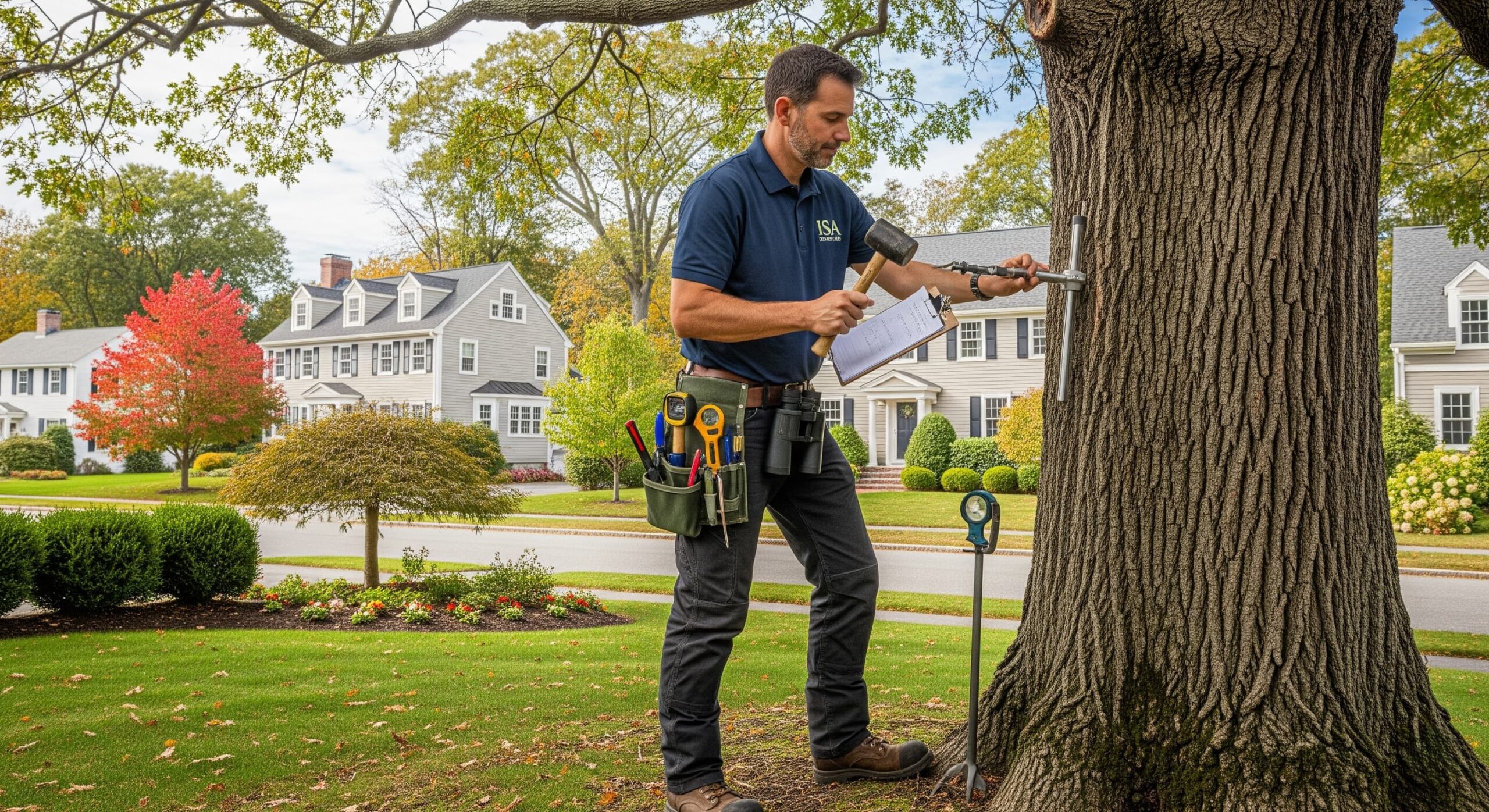
Certified arborists provide valuable expertise that significantly improves establishment success regardless of whether the tree is planted in the spring or fall. Arborists understand the needs of various tree species, how to optimize planting techniques, and what post-planting care practices provide the greatest returns on investment.
Arborist Services Include Site Evaluation
Certified arborists evaluate sites to identify the most optimal planting locations for trees, taking into consideration the mature size of the tree, utility lines, and structural clearances. Additionally, certified arborists provide advice on optimal planting timing based on local microclimates, soil characteristics, and species-specific requirements.
Establishment Care Practices
Services performed by certified arborists include establishment care practices that support tree health and the development of trees during critical periods immediately following planting. These services include scheduling watering, fertilizing, pest management, and installing structural support systems.
Long-Term Success Rates of Fall and Spring Planting
Research data show that trees planted in the fall tend to have a longer lifespan and are more successful than trees planted in the spring. This is largely due to the extended period of time allowed for the development of the root system in the fall, which provides a more stable foundation for the tree.
Value of Mature Trees
Mature trees provide a variety of benefits to the value of a home. They contribute to the aesthetic appeal of the home, enhance the overall marketability of the home, and provide shade and beauty to the landscape. Homeowners who plant trees in the fall will typically see a mature tree sooner than those who plant in the spring.
Consulting for the Best Time to Plant Trees
When deciding the optimal time to plant trees on your property, there are numerous factors to consider, including the type of tree species to be planted, site conditions, budget, and maintenance capabilities. Consulting with a certified arborist will enable you to evaluate these factors objectively and make a decision based on your long-term landscape goals. In addition, local knowledge is valuable in understanding the unique microclimatic conditions present in different Framingham neighborhoods.
Ensuring Long-Term Success with Tree Planting
Regardless of the time of year you decide to plant trees, the key to long-term success lies in choosing the right time of year for the species being planted, using proper planting techniques, and providing the necessary establishment care to ensure the trees survive their first year and beyond. Whether you choose to plant trees in the fall or spring, consulting with a certified arborist will ensure that the trees receive the proper care to thrive.
Contact Us for Expert Tree Planting Guidance
If you are looking for expert tree planting guidance in Framingham, contact us today. We are proud to serve the MetroWest area of Massachusetts, and we have years of experience in selecting the right time to plant trees based on local growing conditions and tree performance across all seasons. At Framingham Tree Experts, we are committed to providing complete tree planting services, including optimal planting timing, correct planting techniques, and the establishment care needed to ensure long-term success of each of your landscape investments.
LATEST POSTS