
Menu
Safe Tree Pruning Near Power Lines in Framingham
Tree Pruning Framingham
Property owners in Framingham face specific challenges as they have to deal with mature trees that are either in danger of being damaged by electrical infrastructure, such as high voltage electrical wires, or cause structural damage to a building; therefore, it is necessary to use professional arborists who specialize in tree pruning near electrical infrastructure, which will ensure that the homeowner has complied with local regulations related to electrical safety, while preserving the value of their trees. There are also strict Massachusetts regulations that dictate what can be done within ten (10) feet of high voltage power lines, and all work performed within this area must be completed by an OSHA-certified arborist, so that the homeowner is protected from any possible liability, and the electrical grid in the community remains reliable.
Legal Requirements for Power Line Tree Work
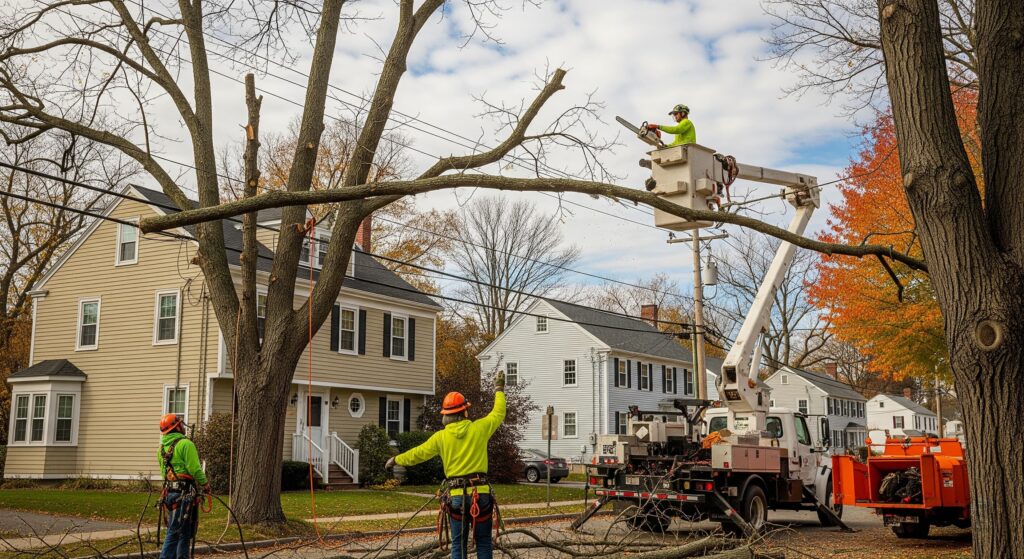
Massachusetts law mandates that only OSHA-certified line-clearance workers can perform tree pruning within ten feet of primary power lines. The purpose of this regulation is to protect both workers and the public from the hazard of electrical shock, which can lead to severe injury or a large-scale power outage. Property owners are still responsible for keeping their trees trimmed so they do not interfere with service lines that run from utility poles to homes or businesses. Fines can be quite substantial, and liability can also be significant if one violates the laws and regulations governing tree trimming near power lines.
All professional tree companies will have the required certifications and insurance coverage needed to safely and legally trim trees near utility lines. These credentials confirm that a tree company has received training in electrical safety and will have access to the specialized equipment that is necessary to safely work near power lines.
Utility Company Coordination Requirements
Often, complex tree-clearing projects that involve working with electric utilities require coordination with the local utility to ensure continuous service. Arborist professionals know what is required to notify the utility of the impending work and follow the safety guidelines that are necessary to prevent a service interruption.
Structural Clearance Considerations
Trees with large trunks and/or extensive canopies growing near buildings, homes, and other structures require careful consideration prior to any tree pruning activity. Professional tree pruning removes branches that obstruct rooflines, gutters, etc., and therefore creates space to prevent property damage during a storm. While removing dead or dying branches maintains a safe distance from the structure, it does not jeopardize the structural integrity of the tree nor its aesthetic value.
Many trees in older neighborhoods, such as Framingham Center and Saxonville, were planted many years ago and are now mature. As such, the clearance challenges associated with these trees have increased. Modern pruning methods preserve these valuable landscape elements while maintaining today’s safety standards.
Risk Assessment and Planning
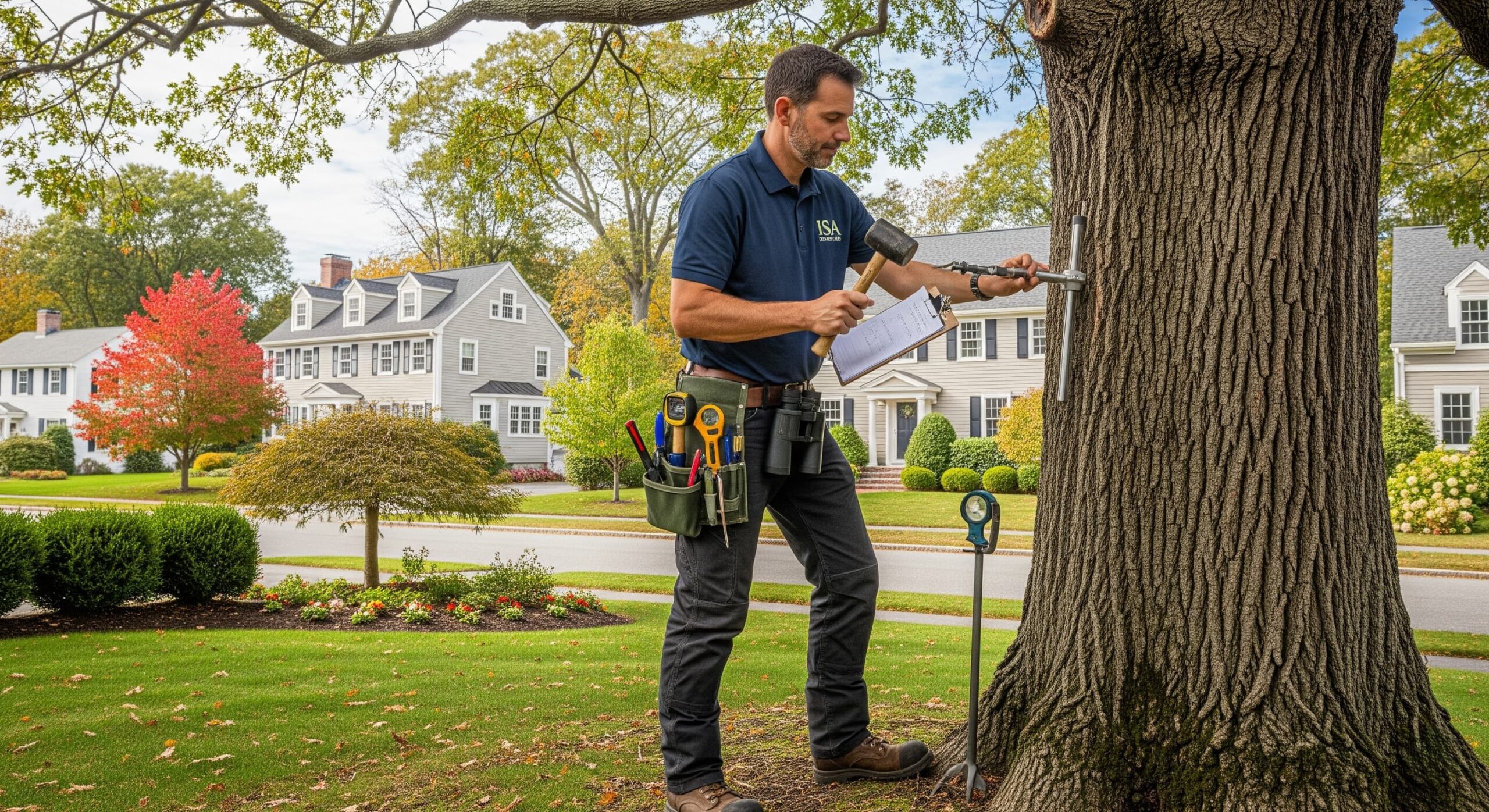
Prior to beginning any work involving pruning of trees near structures or power lines, certified arborists assess the risks associated with the project. In doing so, the arborist evaluates branch weight, wind-load factors, and potential weak points in the tree that may potentially endanger adjacent property. By conducting a professional assessment, the arborist can determine how to prune the tree to increase its stability and minimize the potential for future problems.
Equipment and Safety Protocols
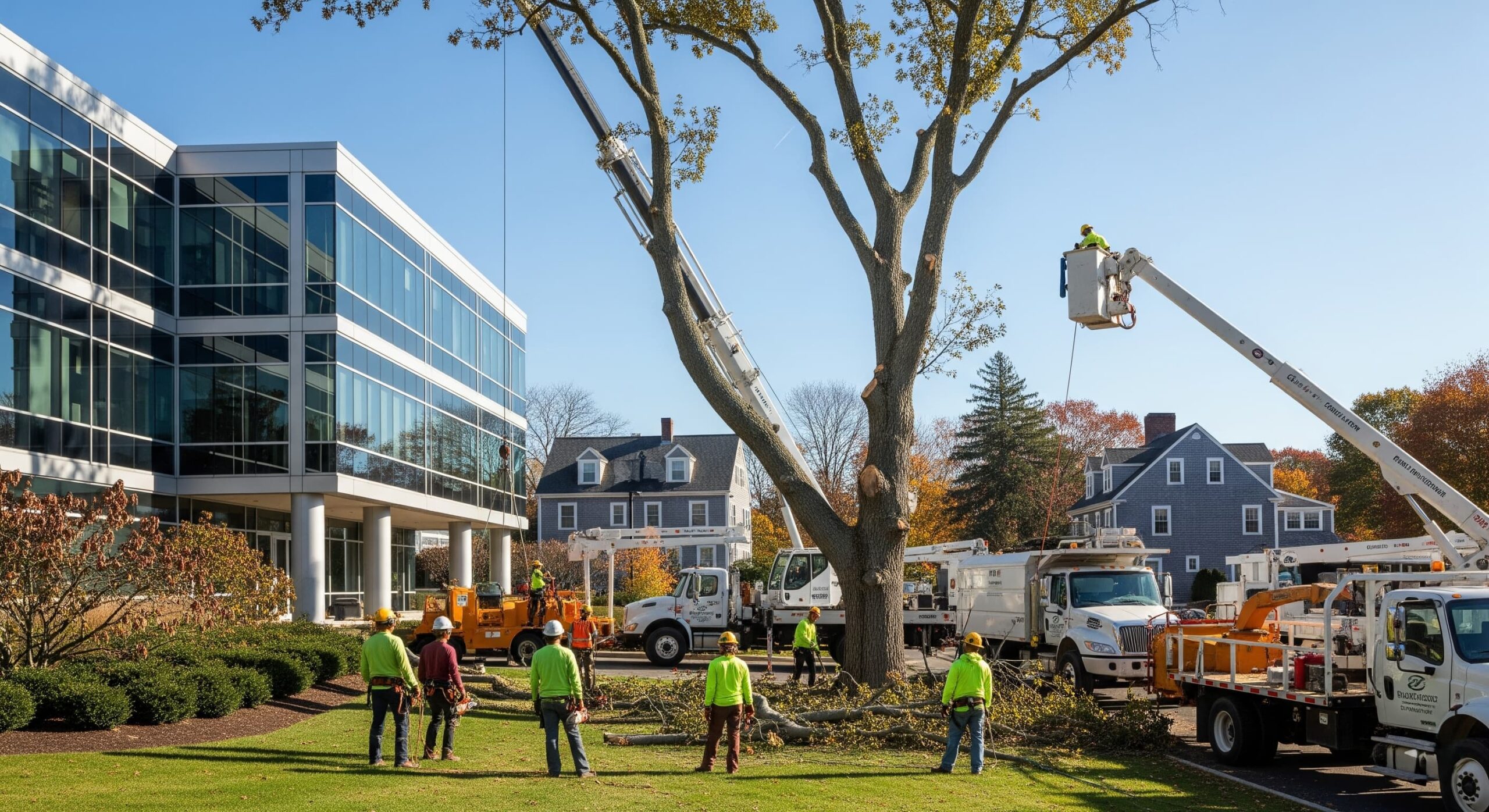
Pruning of trees near power lines and structures requires equipment beyond that used for routine tree maintenance. Certified arborists use equipment such as insulated pole-saws, aerial lifts, rigging systems, and specialized cranes to allow them to safely prune trees at a distance from the power lines and structures. Additionally, arborists have multiple safety protocols in place, including: site analysis, identification of underground utilities, development of an emergency plan, and use of Personal Protective Equipment (PPE), fall-protection equipment, and electrical de-energizing devices to protect themselves and others from electrical hazards.
Technology Applications
The modern tree pruning industry utilizes advanced technologies to improve the safety and efficiency of tree pruning activities. For example, remote-controlled cutting systems allow the operator to cut branches away from the electrical hazards while maintaining full control over the cutting process. The utilization of these types of technologies significantly reduces the risk to the workers and surrounding properties.
Timing and Seasonal Considerations
Strategic timing can optimize the performance of tree pruning activities near sensitive infrastructure. The most ideal time to prune, the dormant season, allows the arborist to see the branch structure clearly and minimizes stress to the tree. However, emergencies may arise that require immediate action, regardless of the time of year, to mitigate a hazardous condition that poses an imminent threat to people and property.
Weather Conditions
Weather conditions can greatly affect the safety and feasibility of pruning trees near power lines and structures. Professional arborists continually monitor the weather conditions and cancel pruning activities during periods of high winds or electrical storm activity that can compromise the safety of the workers and the electrical systems.
Scheduling Maintenance Programs
Preventive maintenance programs developed by professional arborists help to avoid emergencies that may require expensive and timely interventions. Customized programs are developed by arborists based on the type of tree species, rate of growth, and proximity to critical infrastructure. By implementing regular maintenance programs, long-term costs are minimized, and maximum safety margins are maintained.
Species-Specific Pruning Techniques
Each tree species requires pruning techniques specific to that species. For instance, fast-growing tree species such as Silver Maples need more frequent pruning than slow-growing tree species such as Oaks and Hickories. Professional arborists recognize the characteristics of each tree species’ growth habits and prune accordingly to achieve maximum efficiency.
Tree Species Common to MetroWest
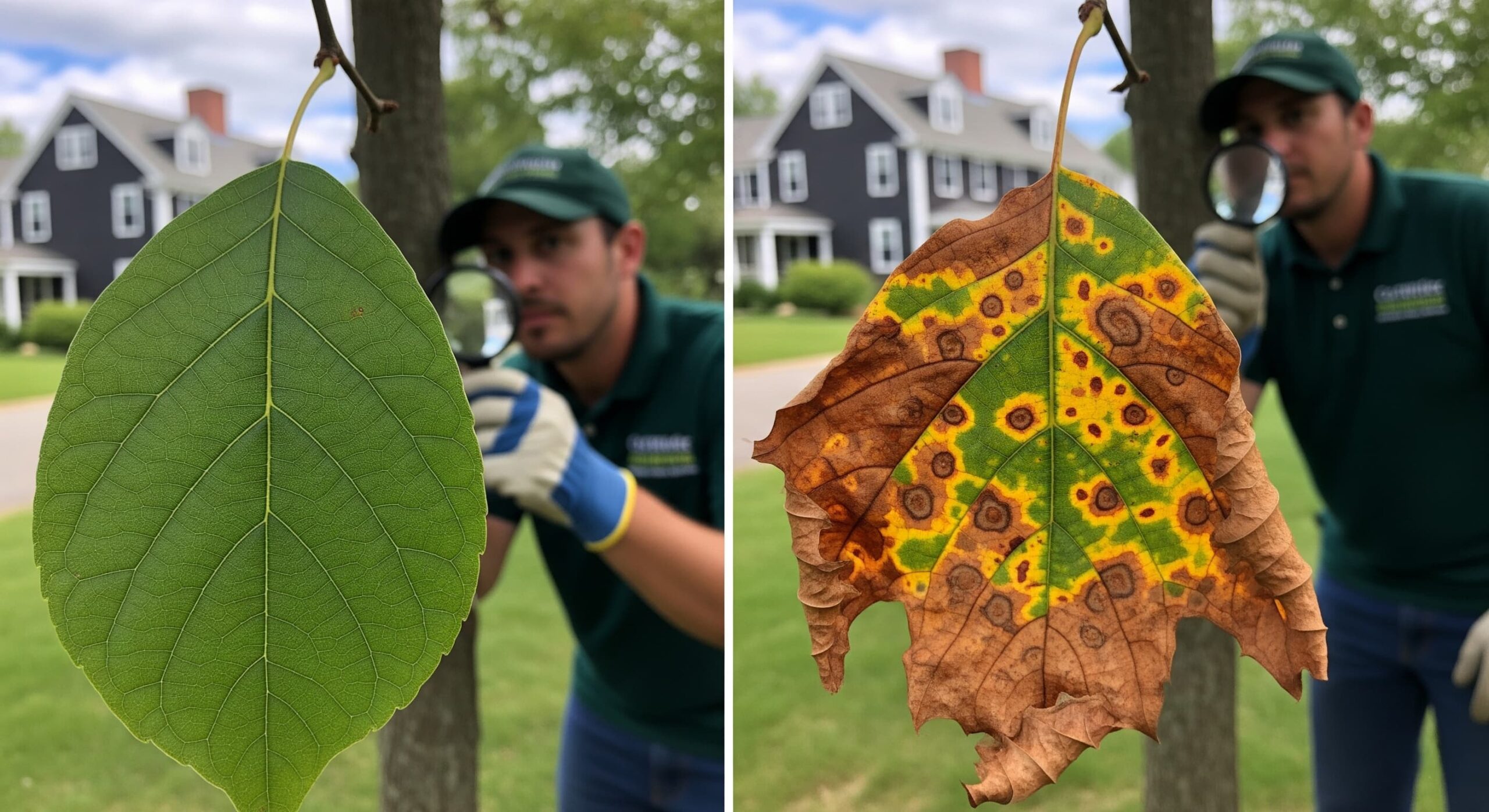
Mature hardwood trees that are common to the MetroWest region of Massachusetts have specific pruning challenges due to their dense woods and intricate branching systems. Pruning of these types of trees requires specialized techniques to make clean wounds that will heal properly while preserving the tree’s natural defenses against diseases and pests.
Emergency Response Services for Storm Damage and Hazards
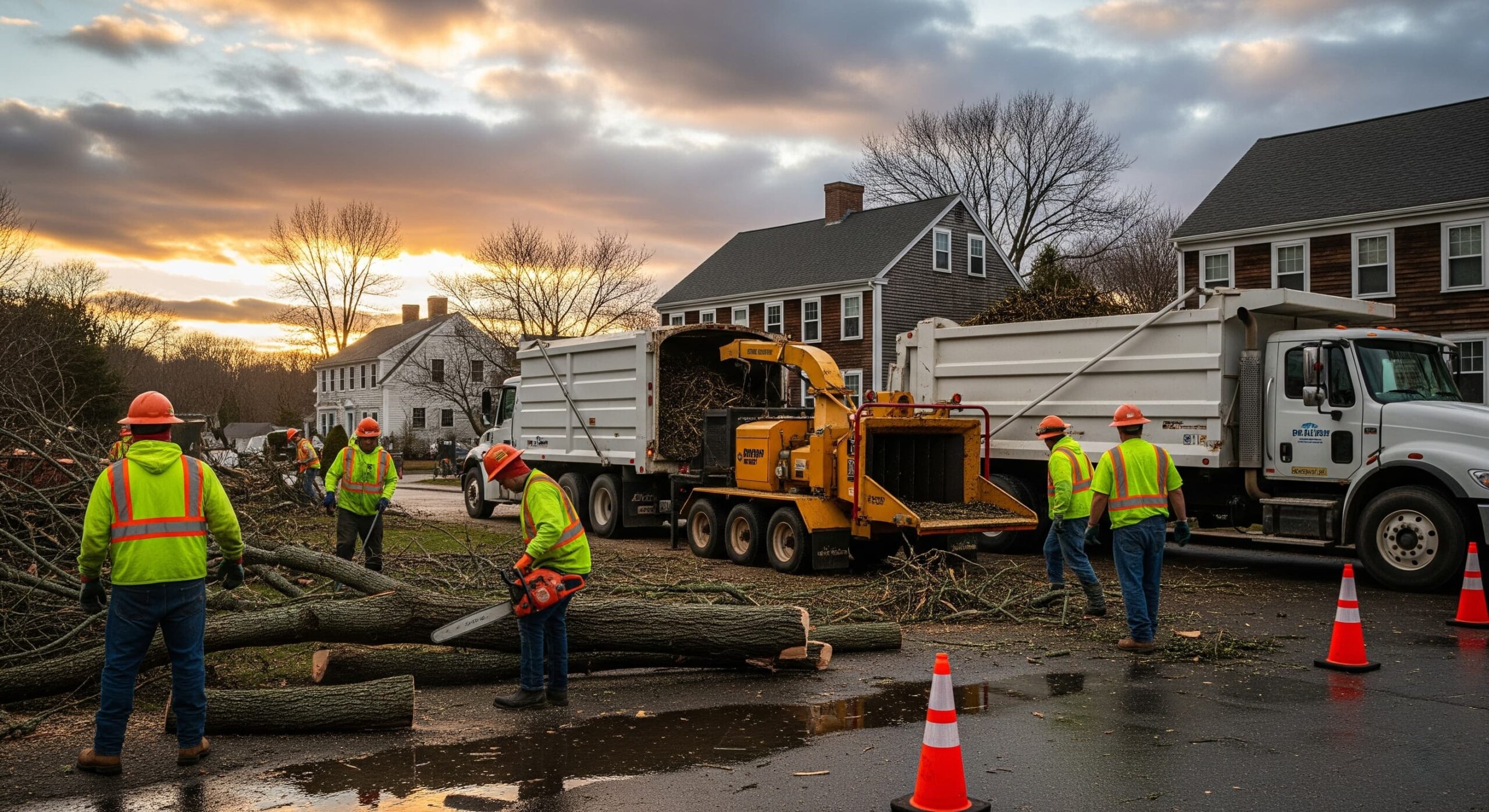
In the aftermath of severe weather events, there is a need for emergency tree pruning services to remove branches that are threatening power lines and structures. Emergency response services are available 24/7 to respond to immediate hazards and restore a safe environment. Rapid response times can help prevent minor damage from escalating into major property losses or extended power outages.
Specialized Equipment
Professional emergency teams bring portable generators, emergency lighting, and communication systems to rapidly deploy in storm situations. These resources enable the emergency team to function effectively even when the utilities are disrupted throughout the affected area.
Post-Storm Evaluation Protocols
After a storm passes, a professional arborist conducts a detailed assessment of all trees on a client’s property to identify any hidden damage caused by the storm that may not be visible yet. Damage caused by the storm may occur weeks or months later as a result of root displacement, trunk cracking, or branch stress. Identifying potential failure points early can help prevent future failures and resulting damage to property.
Cost Factors and Investment Considerations
While cost factors are important for homeowners and commercial property owners, investing in professional pruning of trees near power lines and structures provides peace of mind, avoids costly emergency repair bills, property damage claims, and potential legal liability issues associated with improper tree maintenance.
Documentation
Documentation of professional tree pruning near critical infrastructure can also positively influence homeowner and commercial insurance provider premiums and claim settlements.
Protecting Long-Term Value of Properties
By hiring a professional arborist to prune your trees regularly, you are protecting the long-term value of your property by maintaining mature trees that contribute to the beauty of your neighborhood, provide environmental benefits, and support your local economy. Proper tree pruning also helps extend the life of the tree and prevent costly damage that may necessitate the removal of the tree and subsequent landscaping reconstruction.
How to Choose the Right Tree Service Company
When selecting a tree service company, verify that the company has the correct licenses, insurance coverage, and certifications to perform tree pruning work near power lines and structures. Hire a tree service company that employs ISA-certified arborists who possess current OSHA certifications for line-clearance work. Ask for customer references and review their safety record. Companies that invest in continuing education and equipment maintenance usually provide better quality work and have a higher level of safety awareness than unqualified companies.
Framingham Tree Experts
Framingham Tree Experts has all of the necessary certifications and insurance coverage to safely prune trees near power lines and structures in the MetroWest area. Our experienced staff combine technical knowledge with advanced equipment to provide you with the highest level of professionalism and safety while preserving your valuable tree assets.
LATEST POSTS